

Build High-Authority Social Signals, Drive Organic Referral Traffic, and Boost Search Engine Visibility Across Online
Welcome to the ultimate guide on leveraging the power of social media to enhance your website visibility. In today’s digital landscape, understanding how different channels interact with search engines is crucial for any successful SEO strategy. By mastering the art of promotion across various networks, you can significantly boost your overall performance and drive targeted traffic to your digital home.

Understanding Backlinks and Their Importance
What Are Backlinks?
To fully grasp modern optimization techniques, you must first understand that every website link pointing to your domain acts as a vote of confidence. When another platform references your pages, it creates a pathway that users and crawlers can follow. Acquiring these digital references is fundamental, especially when you manage to earn backlinks from authoritative sources within your specific industry or market segment.
The Role of Backlinks in SEO
Search algorithms heavily rely on these directional pathways to determine the authority and trustworthiness of a domain. Securing high-quality backlinks signals to algorithms that your material is valuable and worth displaying to users. When you successfully implement tactics to get links from prominent digital spaces, you naturally boost SEO performance and improve your chances of reaching the top search results.
Types of Backlinks
Different categories of references carry varying weight when search engines evaluate your profile. Editorial mentions earned naturally are generally the most valuable, but directional references originating from social media platforms also play a supportive role. Whether you are building connections on professional networks like LinkedIn or sharing updates on communities like Facebook, diversifying your acquisition methods ensures a robust and resilient optimization foundation.
Leveraging Social Media Platforms for Backlinks
Choosing the Best Social Media Platforms
When you want to boost SEO performance using the power of social, selecting the best social media platform is a critical first step in your overall SEO strategy. Not every social platform serves the same purpose or caters to the exact same audience, as different networks offer unique advantages:
- Professional networks like LinkedIn are exceptional for B2B brands looking to earn backlinks and create valuable industry connections.
- Visual networks and platforms like Facebook help drive massive engagement and encourage users to share your content widely across the web.
Strategies to Earn High-Quality Social Media Backlinks
To successfully acquire high-quality backlinks through your promotional efforts, you must implement a proactive link-building plan. Simply publishing a website link on your profile is rarely enough; instead, you need to actively leverage your community presence to encourage other creators to link back to your comprehensive guides. By sharing valuable content such as:
- Insightful data
- Industry reports
- Actionable advice
You naturally entice influential bloggers to reference your domain, thereby generating valuable social media backlinks that directly improve your search engine rankings.
Engaging Content That Boosts Social Sharing
Creating compelling material is the ultimate catalyst for maximizing social sharing across various digital channels. When you produce high-quality content that resonates deeply with your target audience, users feel compelled to distribute your posts among their own followers. This widespread distribution generates powerful social signals that search engines notice and reward. By consistently delivering exceptional value through well-researched articles and engaging infographics, you naturally facilitate the acquisition of organic references and enhance your overall visibility.

Building Relationships on Social Networks
Networking with Influencers
Establishing genuine connections with prominent figures within your niche is one of the most effective ways to amplify your promotional reach. When you network with established thought leaders on social networks, you open the door for meaningful collaborations and expert roundups. These industry authorities often control high-authority websites and frequently reference valuable resources in their own publications. By nurturing these relationships, you dramatically increase your chances of:
- securing prominent mentions
- driving substantial referral traffic back to your domain
Participating in Niche Communities
Active participation in specialized online groups allows you to position your brand as a trusted authority within your specific market segment. By joining discussions on dedicated forums and interactive social media platforms, you can share your expertise and subtly introduce your website link when it genuinely answers a user query. This targeted approach not only builds immediate credibility among peers but also generates natural backlink opportunities from engaged community members who appreciate your helpful insights and ongoing contributions.
Collaborative Content Creation
Working alongside other creators to produce joint assets is a brilliant tactic for expanding your audience and earning authoritative references. By co-authoring comprehensive guides, hosting joint webinars, or conducting industry interviews, you instantly tap into the established follower base of your collaborators. This teamwork almost always results in both parties actively promoting the final asset, leading to a surge in referral traffic and the natural creation of valuable backlinks that significantly strengthen your search engine optimization profile.
Tracking and Analyzing Your Social Media Backlinks
To ensure your ongoing link-building efforts are paying off, monitoring your link building progress using various tools like analytics software is essential. By carefully examining where your website link appears across the web, you can understand how well your social media backlinks are performing. When you leverage advanced tracking applications, you gain clear insights into which social networks drive the most traffic and how effectively you manage to earn backlinks from your promotional campaigns.
Tools for Tracking Backlinks
Utilizing specialized applications allows you to monitor every single backlink pointing to your domain from platforms like Facebook and LinkedIn. These software solutions help you identify new referral sources, evaluate the authority of linking pages, and measure the direct impact of your social sharing activities. By staying informed about your acquired assets, you can refine your overall SEO strategy and ensure your brand continues to grow its digital footprint efficiently.
Measuring the Impact on SEO Rankings
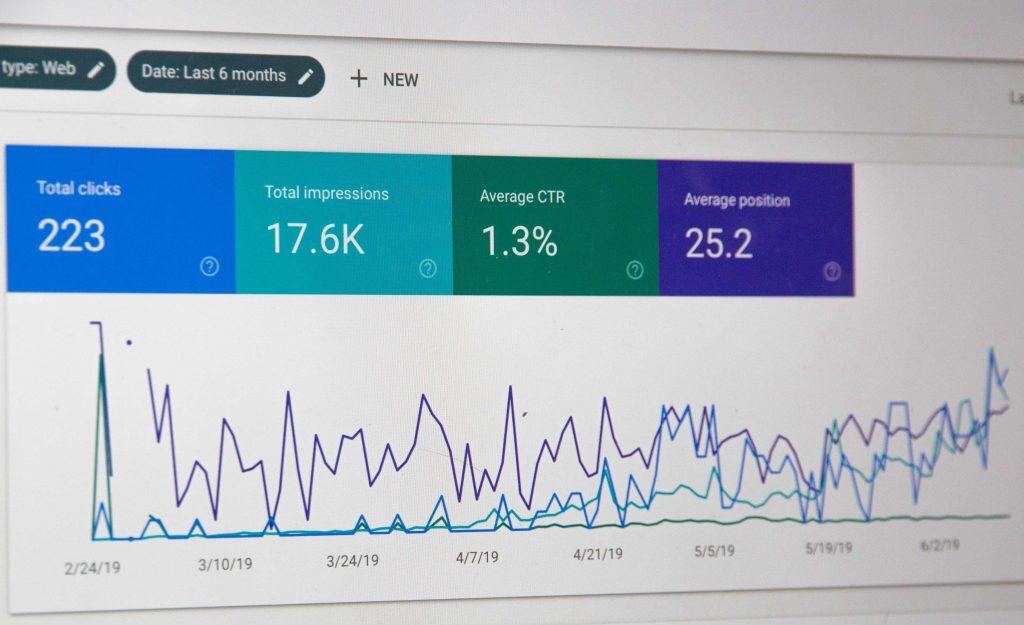
Analyzing the correlation between your social media backlinks and your search engine positions helps validate your entire promotional approach. As search engines evaluate the authority transferred through these directional pathways, you should monitor your keyword movements and overall visibility metrics. Recognizing how these digital references influence your organic performance allows you to double down on tactics that successfully drive higher rankings and better traffic.
Adjusting Strategies Based on Data
Interpreting the data gathered from your tracking dashboards enables you to pivot or refine your campaigns for maximum efficiency. If certain types of content or specific channels fail to generate the desired outcomes, you can reallocate your resources toward more profitable avenues. Continually optimizing your approach based on concrete SEO performance metrics ensures long-term success in your ongoing quest to improve domain authority.

Top Social Sharing Sites for Earning Backlinks
Social sharing sites are valuable platforms for promoting website content, expanding brand visibility, and discovering new link building opportunities. Whether you operate a business website, an ecommerce store, or a new blog, using the best social media sites can help you reach targeted audiences, generate referral traffic, and attract natural backlinks from relevant websites.
Backlinks are links from external websites that point to pages on your domain. Although most backlinks from social media are nofollow links or otherwise do not pass traditional link equity, they can still contribute to a successful SEO strategy by exposing your content to bloggers, journalists, publishers, and industry professionals.
The most effective approach to using social media for backlinks involves more than simply posting URLs. Businesses should focus on creating high-quality content, building relationships, and sharing useful resources that encourage other websites to reference their material.
For website owners searching for free backlinks, social sharing platforms provide an accessible starting point. When used strategically, these networks can drive traffic to your website, strengthen your online presence, and create opportunities to earn high-quality backlinks through genuine editorial mentions.
Best Social Media Sites for Sharing Content and Building Backlinks
Choosing the right platforms is essential when developing a social media backlink strategy. Different networks attract different audiences, making it important to select websites that align with your niche, content format, and marketing objectives.
Here are some of the most popular social sharing platforms worth considering.
| Social Sharing Site | Best Uses | Backlink Opportunities |
|---|---|---|
| Business updates, articles, community engagement | Business page website links, relevant Facebook groups | |
| B2B marketing, professional content, industry insights | Company page links, articles, professional networking | |
| Infographics, tutorials, visual guides | Website links from Pins | |
| Niche discussions, educational resources | Relevant links within permitted community discussions | |
| YouTube | Video tutorials, reviews, educational content | Channel links and video description links |
| Medium | Long-form articles, thought leadership | Contextual references to original website content |
| Quora | Questions, expert answers, educational content | Relevant resource links within helpful answers |
| Tumblr | Blogging, visual content, creative communities | Blog posts and profile links |
| Content curation, news, industry publications | Shared article links and curated collections | |
| Bluesky | Industry conversations, updates, networking | Profile links and relevant post links |
These are examples of established social platforms rather than a guarantee that every shared link will provide ranking value.
While some SEO resources promote lists of 50 social sharing sites, using dozens of platforms indiscriminately rarely delivers the best results. Focus on websites where your target audience actively engages with content related to your industry.
How to Get Backlinks From Social Media Platforms
There are several practical ways to earn exposure and referral traffic through social networks.
1. Add Your Website to Social Profiles
Most major social platforms allow users to add your website through their account settings.
Depending on the platform, you can:
Add your website URL to your business profile.
Include a relevant link in your profile bio.
Add links to your company page.
Include important landing pages where permitted.
Provide a link to your latest guide, service, or resource.
These profile links help interested users navigate back to your website and can support brand discovery.
2. Share Relevant Website Content
Regularly share articles, tutorials, case studies, and educational resources from your website.
Rather than publishing the same promotional message repeatedly, introduce each resource with useful information that explains why readers should visit it.
3. Participate in Relevant Communities
Join industry discussions, professional groups, and online communities where your expertise can benefit others.
For example, participating in Facebook groups or platforms like Reddit can expose your website to people who are interested in your niche.
Always follow community rules and share a website link only when it genuinely helps answer a question.
4. Encourage Natural Editorial Mentions
When publishers discover useful content through social networks, they may reference it in their own articles.
This creates opportunities to earn organic backlinks from independent websites.

High-Quality Content Distribution
Successful content distribution begins with producing resources that people genuinely want to read, share, and reference.
Simply publishing links across multiple platforms does not automatically improve SEO. The real value comes from reaching the right audience with useful information that encourages engagement and natural link acquisition.
Create Helpful Content That Attracts Backlinks
One of the best ways to improve social sharing performance is to create helpful content that address common mistakes, questions, or provides original information.
Examples of content that can attract backlinks include:
Comprehensive guides: Detailed articles explaining complex topics.
Original research: Industry surveys, reports, and statistical findings.
Infographics: Visual summaries that simplify complicated information.
Case studies: Real examples demonstrating results or practical lessons.
Tutorials: Step-by-step instructions that help readers accomplish specific tasks.
Downloadable resources: Templates, worksheets, and checklists.
Expert roundups: Collections of insights from experienced professionals.
When content is valuable and relevant, readers are more likely to share it with their audiences. Publishers may also reference the original resource in their articles, generating editorial backlinks.
Repurpose Content for Different Social Networks
Every social media platform has its own preferred content formats.
For example, a comprehensive SEO article can be transformed into:
A LinkedIn post highlighting important findings.
A Pinterest infographic summarizing the article.
A YouTube tutorial explaining the process.
A Reddit discussion exploring the topic.
A Facebook post sharing practical tips.
A short educational video featuring key takeaways.
You can use design tools like Canva to create professional graphics, infographics, and social media visuals without needing advanced design skills.
Repurposing content allows businesses to distribute the same valuable information in different formats while directing interested users to the original resource.
Include Relevant Links in Your Content
When sharing content, make it easy for readers to find the complete resource.
For example:
Include the original article URL in a LinkedIn post.
Add links to relevant Pinterest Pins.
Include a useful resource in a YouTube video description.
Reference your original research in a Medium article.
Share supporting resources when answering relevant questions.
Each link back to your website should provide a clear benefit to the reader.
Focus on Content Quality Instead of Link Quantity
Search engines evaluate numerous factors when determining which pages deserve higher rankings.
Although backlinks can provide signals to search engines about a page’s relevance and authority, social shares themselves are not a direct Google ranking factor.
Sharing an article thousands of times does not automatically demonstrate to search engines that your content deserves higher rankings.
Instead, social distribution can help the right people discover that your content is valuable, increasing the possibility that independent publishers will create relevant editorial links.

Using Social Sharing Sites Effectively
Social sharing platforms work best when businesses approach them as communities rather than places to distribute promotional links.
A successful strategy combines valuable contributions, consistent publishing, audience engagement, and careful performance monitoring.
Optimize Your Social Media Profiles
Your social profiles should clearly communicate what your business does and why people should follow your content.
For each platform:
Use a recognizable business name and profile image.
Write a descriptive bio containing relevant industry terms.
Add your website link in the appropriate profile field.
Include accurate business contact information.
Publish useful content consistently.
Maintain consistent branding across platforms.
A complete profile helps potential customers recognize your business and encourages more visitors to your site.
Use Facebook Groups for Targeted Engagement
Relevant Facebook groups can provide opportunities to connect with people interested in your products, services, or expertise.
For example, an SEO professional could participate in discussions about keyword research, technical SEO, or link building.
Rather than posting promotional links immediately, contribute helpful answers and practical recommendations.
If a group member asks a question that your article addresses in detail, you may be able to share the resource when group rules permit it.
This approach helps build credibility and can encourage people to visit your website.
Use Reddit to Reach Niche Audiences
Reddit contains thousands of communities dedicated to specific industries, hobbies, and professional interests.
Unlike traditional promotional platforms, Reddit communities generally value authentic participation and useful discussions.
When using Reddit:
Choose communities closely related to your niche.
Read subreddit rules before sharing links.
Answer questions thoroughly.
Avoid repetitive promotional posts.
Share original research or guides when relevant.
Participate in conversations beyond promoting your website.
A well-received contribution may generate referral traffic and introduce your content to publishers who later reference it.
Publish Professional Content on LinkedIn
LinkedIn is particularly useful for B2B businesses, consultants, agencies, and professional service providers.
You can publish industry insights, company announcements, case studies, and educational resources.
Use your personal profile and company page to promote relevant articles and encourage professional conversations.
If your content reaches industry experts, journalists, or bloggers, it may create opportunities for additional editorial mentions.
Avoid Spammy Link Building Techniques
When creating backlinks through social platforms, avoid tactics that prioritize volume over value.
Common mistakes include:
Posting the same link repeatedly across unrelated groups.
Creating fake accounts solely to distribute URLs.
Using automated spam tools.
Adding irrelevant links to discussions.
Participating in artificial engagement schemes.
Treating every social link as a guaranteed ranking improvement.
These bad backlink practices can damage your reputation, lead to account restrictions, and provide little meaningful SEO value.

Maximizing Exposure Through Social Networks
A strong social media strategy helps businesses reach more people, promote valuable resources, and increase the likelihood of earning natural backlinks.
The objective is to create a consistent process that connects content production with audience engagement and measurable results.
Build a Consistent Social Sharing Schedule
Publishing regularly helps maintain visibility and encourages followers to engage with your brand.
For example, a weekly content distribution schedule could include:
| Day | Social Media Activity | Objective |
|---|---|---|
| Monday | Share a new blog article on LinkedIn | Reach professionals and industry experts |
| Tuesday | Publish an infographic on Pinterest | Increase visual content discovery |
| Wednesday | Participate in relevant Reddit discussions | Build credibility and community engagement |
| Thursday | Share an educational video on YouTube | Reach video audiences |
| Friday | Promote a useful resource in a relevant Facebook community | Generate targeted referral traffic |
| Weekend | Review engagement and website analytics | Identify successful content |
Adapt your publishing schedule based on audience behavior and the platforms producing meaningful results.
Use Social Media to Earn Organic Backlinks
One of the biggest advantages of social sharing is the opportunity to attract links from publishers who discover your content.
For example, a blogger might discover your research through LinkedIn and decide to reference it in an upcoming article.
Similarly, a journalist may find your infographic on Pinterest and cite the original report.
In both cases, the original social share creates exposure, while the independent publisher provides the actual backlink.
This distinction is important when evaluating social backlinks versus traditional editorial backlinks.
Combine Social Sharing With Other Link Building Strategies
Social media promotion becomes more effective when combined with additional SEO activities.
These may include:
Guest posting on relevant industry blogs.
Digital PR and journalist outreach.
Resource page link building.
Broken link building.
Expert contributions.
Original research promotion.
Content partnerships.
Using social media alongside these techniques creates more opportunities to earn high-quality backlinks from reputable websites.
Track Your Social Media Backlinks
Measuring performance helps determine whether your content distribution strategy is producing meaningful results.
Use backlink analysis platforms such as Ahrefs and Semrush to monitor new referring domains and identify websites linking to your content.
SEO tools like Ahrefs can help you analyze:
New backlinks acquired.
Referring domains.
Linking page relevance.
Anchor text distribution.
Lost backlinks.
Competitor backlink profiles.
You can also use Google Analytics to monitor social referral traffic and understand which networks generate the most engaged visitors.
When you track your social media backlinks, distinguish between links placed directly on social platforms and independent editorial links earned after content promotion.
Measure the Impact on Website Traffic and SEO
A successful social media backlink campaign should produce measurable benefits beyond increasing the number of shared URLs.
| Performance Metric | What It Measures | Why It Matters |
|---|---|---|
| Referral Traffic | Visitors arriving from social platforms | Shows which channels drive traffic |
| Social Engagement | Shares, comments, and interactions | Measures audience interest |
| New Referring Domains | Unique websites linking to your content | Tracks backlink acquisition |
| Organic Traffic | Visitors arriving through search engines | Helps evaluate broader SEO performance |
| Conversions | Leads, enquiries, or purchases | Measures business value |
| Brand Mentions | References across external websites | Indicates growing brand awareness |
Monitoring these metrics helps refine your strategy and identify the content most likely to attract the backlinks that matter most.
Can Social Media Backlinks Increase Your Google Rankings?
Many website owners search for ways to use social media backlinks to increase visibility and ranking or obtain backlinks to increase your rankings.
However, it is important to understand how social links differ from traditional backlinks.
Most links from social media platforms use attributes or technical mechanisms that limit their ability to pass ranking credit. As a result, they should not be treated as equivalent to editorial links from independent websites.
The primary SEO benefits of social media backlinks include:
Helping users discover your content.
Generating referral traffic.
Increasing brand awareness.
Creating opportunities for natural backlinks.
Encouraging publishers to reference your resources.
Supporting broader content marketing campaigns.
A social share may lead to a journalist, blogger, or industry publication discovering your article and linking to it from their own website.
That independent editorial link can contribute to building your backlink profile and potentially support better search performance.
Therefore, using social media for backlinks is most effective as an indirect link acquisition strategy rather than a shortcut to higher rankings.
Best Practices for Social Sharing and SEO
Whether you’re promoting a new website or expanding an established business, the following practices can improve the effectiveness of your social media campaigns.
Choose relevant platforms. Focus on the best social media sites for your industry instead of submitting links to every available network.
Create valuable content. Publish useful resources that people genuinely want to read, share, and reference.
Optimize your profiles. Include accurate descriptions, recognizable branding, and relevant website links.
Engage with your audience. Participate in discussions and build relationships with other creators and publishers.
Share content consistently. Develop a realistic publishing schedule that keeps your brand visible.
Use natural linking practices. Share URLs when they provide value rather than forcing links into unrelated on versations.
Monitor backlink growth. Use SEO tools to identify new referring domains and evaluate the quality of earned links.
Measure business results. Track referral traffic, organic visibility, engagement, and conversions.
Following these practices helps turn social sharing into a sustainable part of your overall backlink strategy.

Final Thoughts: Using Social Sharing Sites to Build Quality Backlinks
Social sharing platforms provide an accessible and effective way to promote content, increase brand awareness, and discover new link building opportunities. From professional networks like LinkedIn to community-driven sites like Reddit and Facebook, each platform offers different ways to reach potential customers and industry publishers.
Although backlinks from social media generally do not provide the same ranking value as editorial links, they can still play an important role in helping websites gain exposure and attract natural references.
The most successful approach combines creating high-quality content, participating in relevant communities, optimizing social profiles, and consistently sharing useful resources across appropriate platforms.
Instead of focusing exclusively on free backlinks or trying to generate hundreds of social links, prioritize building relationships and publishing content that encourages independent websites to link to your resources.
Ready to elevate your SEO? Start by selecting a few relevant social sharing platforms, optimizing your profiles, and distributing your most valuable website content. Combined with a comprehensive link-building strategy, these efforts can help you boost your SEO, attract qualified visitors, strengthen your online presence, and create more opportunities to earn quality backlinks over time.
