


Uncover Hidden Backlink Opportunities, Broken Resources, and Unlinked Mentions to Boost Your Niche SEO Authority
Uncovering hidden link opportunities is crucial for enhancing your online presence and climbing the ranks in search engines. This guide will walk you through various strategies and tools to find valuable backlinks that can significantly boost your SEO efforts.
Understanding Link Opportunities
Before diving into the specifics of finding hidden link opportunities, it’s essential to grasp what these opportunities entail and why they are so vital for your digital marketing strategy. A solid understanding will lay the groundwork for effective link building.
What Are Link Opportunities?
Link opportunities refer to potential sources for acquiring backlinks to your website, which are essentially hyperlinks from other websites to yours. These opportunities can range from guest posting on relevant blogs, finding broken link targets, or identifying sites that already link to your competitors. The overarching goal of finding link opportunities is to cultivate a robust and natural backlink profile that signals authority and relevance to search engines, ultimately improving your SEO ranking and organic traffic. These opportunities are the building blocks of any successful link-building campaign.
The Importance of Backlinks
Backlinks are fundamental to SEO and are often considered a significant ranking factor by search engines like Google. High-quality links from authoritative websites act as a vote of confidence, signaling to search engines that your content is valuable and trustworthy. The more relevant and powerful your backlink profile, the better your website’s potential to rank for target keywords and attract organic traffic. Neglecting the importance of backlinks can severely hinder your online presence and make it challenging to compete effectively in your industry.
Types of Link-Building Opportunities
There are diverse types of link-building opportunities available for those looking to enhance their backlink profile. Some common types include guest posting, where you contribute an article to another website with a link back to yours; broken link building, which involves finding broken links on other sites and offering your content as a replacement; and resource page link building, where you aim to get your site listed on curated resource pages. Additionally, competitor backlink analysis using tools like Ahrefs or Semrush can help you find opportunities that your competitors are already leveraging, providing a roadmap for your own link-building strategies.

Step-by-Step Guide to Finding Link Opportunities
Finding high-quality backlink opportunities is one of the most important aspects of any successful SEO campaign. Rather than building links randomly, effective link builders follow a structured process to identify relevant websites, evaluate link quality, and develop relationships with publishers who are willing to link to valuable content.
The goal is not simply to increase the number of backlinks, but to earn high-quality backlinks from authoritative and relevant sources that can improve your search engine rankings. By following the steps below, you can uncover backlink opportunities that boost your website’s authority and support long-term organic growth.
Step 1: Research Your Industry
Before launching any outreach or link-building campaigns, you first need to identify where the best backlink opportunities exist within your niche.
Understanding your industry helps you discover:
Authority websites
Popular blogs
News publications
Resource pages
Industry forums
Business associations
Relevant directory websites
These are all potential sources of valuable backlinks.
Search for Relevant Websites
Begin by using Google to search for keywords related to your industry. Look for websites that consistently publish high-quality content and already rank well in search engines.
Examples include:
Industry blogs
Educational websites
Resource hubs
Review websites
Local business organizations
Professional associations
These relevant sites often provide excellent backlink opportunities.
Find Content That Attracts Links
Study the type of content that naturally attracts backlinks.
Look for:
Ultimate guides
Research reports
Statistics
Infographics
Case studies
Tutorials
Creating similar resources with additional real value increases the chances that other websites will reference and link to your content.
Look Beyond the Obvious
Some of the best backlink opportunities are hidden gems that larger competitors overlook.
Explore:
Local organizations
Small niche blogs
Podcasts
Newsletters
Community websites
Resource pages
These often have highly engaged audiences and may be more willing to link than larger publications.

Step 2: Analyze Competitor Backlinks
One of the fastest ways to find backlink opportunities is by analyzing where your competitors earn their backlinks.
If your competitors have already secured backlinks from relevant websites, there’s a good chance those same websites may also link to your content.
Study Your Competitors’ Link Profile
Use SEO tools to examine each competitor’s backlink profile.
Pay attention to:
Referring domains
Anchor text
Linking pages
Domain authority
Link quality
This analysis helps identify backlink opportunities that have already proven successful.
See Which Specific Pages Earn Links
Don’t just analyze the homepage.
Instead, see which specific pages receive the most backlinks.
You may discover that:
Ultimate guides
Industry research
Statistics
Free tools
Checklists
are driving the most backlinks for your competitors.
These insights can inspire better content that attracts even more backlinks.
Analyze Competitors’ Link Sources
Determine where your competitors are getting backlinks.
Look for:
Guest posts
Resource pages
News mentions
Directories
Industry blogs
Educational websites
Understanding where competitors are getting their links makes it easier to build a targeted outreach strategy.
Find Link Gaps
Compare your backlink profile against your competitors’.
Identify websites linking to competitors but not to you.
These websites represent backlink opportunities within your industry that may also be interested in your content.

Step 3: Use SEO Tools to Discover Link Opportunities
Professional SEO tools are essential for identifying quality backlink opportunities quickly.
Instead of manually searching thousands of websites, modern tools provide detailed backlink data and competitor insights.
Ahrefs
Ahrefs is one of the best tools to see:
Backlink profiles
Referring domains
Broken links
Top-performing content
Keyword rankings
It also allows you to discover websites linking to multiple competitors.
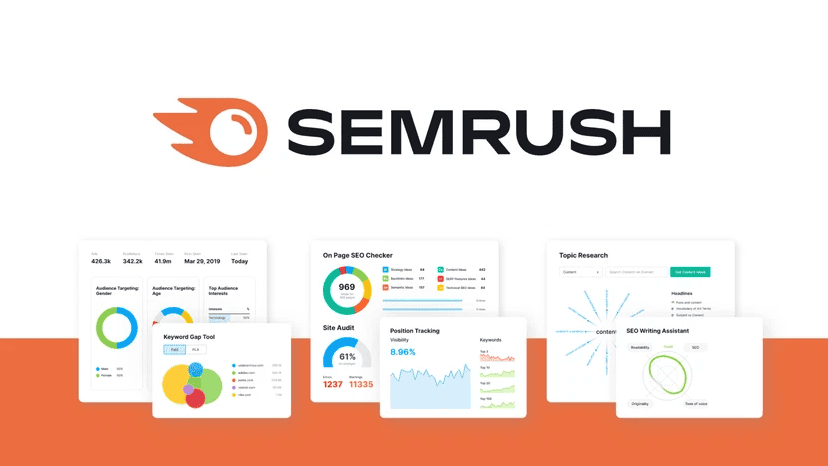
Semrush
Semrush offers comprehensive backlink analysis and competitive research.
You can use it to:
Analyze competitors’ backlinks
Identify link gaps
Track backlink growth
Monitor domain authority
BuzzSumo
BuzzSumo helps you find content that performs well across your industry.
Popular content often attracts backlinks, making it an excellent source of content ideas.
Hunter.io
Hunter.io helps locate contact information for editors and website owners, making outreach much easier.
Step 4: Evaluate Link Quality
Not every backlink opportunity is worth pursuing.
Successful SEO campaigns always prioritize quality over quantity.
Before requesting a backlink, evaluate:
Domain authority
Organic traffic
Content quality
Industry relevance
Editorial standards
A single quality link from an authoritative website often provides more SEO value than dozens of bad backlinks.
Always focus on quality rather than simply increasing the number of backlinks.
Step 5: Identify Websites That Might Link to Your Content
Once you’ve created valuable content, it’s time to identify websites that might benefit from referencing it.
Potential targets include:
Bloggers
Journalists
Resource page owners
Industry publications
Educational websites
Business organizations
News websites
Look for websites publishing related content that could naturally add a link to your article.
The more relevant the website, the greater the SEO value of the backlink.

Step 6: Refine Your Link Building Strategy
Finding backlink opportunities is an ongoing process.
Regularly review your outreach campaigns to determine:
Which websites responded
Which outreach emails worked
Which pages earned backlinks
Which content attracted the most links
Use this information to refine your approach and improve future link building strategies.
Tracking backlink performance also helps uncover additional opportunities you’ve missed previously.
Best Practices for Finding High-Quality Link Opportunities
For the best results, remember these proven SEO principles:
Always focus on quality over quantity.
Build relationships before requesting backlinks.
Target links from reputable and relevant websites.
Create exceptional content that naturally attracts backlinks.
Monitor your competitors regularly.
Update your outreach strategy based on performance.
Look for hidden gems outside the largest publications.
Finding backlink opportunities is a critical part of every successful SEO campaign. Whether you’re researching your industry, analyzing where your competitors earn links, or using professional SEO tools, the goal is to identify websites that provide genuine value and are willing to link to high-quality content.
If you want to rank higher in search engines, don’t simply chase the largest number of backlinks. Instead, prioritize quality links, build relationships with relevant sites, and consistently create content that attracts backlinks. Over time, these efforts will strengthen your link profile, boost your website’s authority, and improve your long-term rankings.

Internal Linking Strategies
Internal linking is a fundamental yet often overlooked aspect of SEO that significantly impacts your website’s performance. By strategically connecting pages within your own domain, you can improve user experience, distribute page authority, and signal to search engines the most important content on your site. Mastering internal linking can help you find hidden link opportunities and enhance your overall online presence without relying on external sources.
Maximizing Internal Linking for SEO
Maximizing internal linking for SEO involves a strategic approach to connect your content in a logical and user-friendly manner. This practice helps search engines understand the hierarchy and relevance of your pages, ultimately contributing to better ranking for target keywords. By creating a robust internal link structure, you can funnel authority from high-performing pages to newer or less visible ones, ensuring that all valuable content gets the recognition it deserves. This is a critical step in building a strong backlink profile from within your own site and can dramatically improve your overall SEO performance.
Creating Quality Internal Links
Creating quality internal links requires more than just randomly placing hyperlinks throughout your content. It demands thoughtful consideration of anchor text, relevance, and user experience. Anchor text should be descriptive and include relevant keywords, giving both users and search engines a clear idea of what the linked page is about. Ensure that the linked pages are truly relevant to the source content, providing additional value to the reader. A well-executed internal linking strategy not only enhances navigation but also helps search engines crawl and index your site more effectively, consolidating your backlink profile and boosting your ranking for essential terms.
Monitoring Internal Link Performance
Monitoring internal link performance is crucial for maintaining an optimized website and identifying areas for improvement. Regularly auditing your internal links helps you find broken links, identify pages that are not receiving enough internal link juice, and discover opportunities to strengthen your overall site structure. Tools like Google Search Console can help you track internal link data, providing insights into how search engines perceive your site’s architecture. By actively monitoring and refining your internal linking strategy, you can ensure that your website’s authority is effectively distributed, ultimately enhancing your SEO ranking and contributing to a stronger online presence.

Best Practices for Link Building
Effective link building is a cornerstone of successful SEO, but it requires a strategic and ethical approach to yield high-quality links. Focusing on best practices ensures that your efforts result in a natural and robust backlink profile that search engines value, avoiding low-quality or spammy tactics. Adhering to these guidelines will help you find link opportunities that genuinely contribute to your website’s authority and visibility, driving long-term success.
Identifying Potential Link Partners
Identifying potential link partners is a critical first step in any successful link-building campaign. Begin by researching websites that are relevant to your niche and possess high authority. Look for industry blogs, news sites, educational resources, and complementary businesses that share your target audience. Tools like Ahrefs or Semrush can help you find websites that already link to your competitors, providing a roadmap for potential link sources. Prioritize sites with strong domain authority and a genuine audience, as these are more likely to provide high-quality links that significantly boost your SEO ranking and online presence.
Crafting Effective Outreach Strategies
Crafting effective outreach strategies is paramount to securing valuable backlinks. Personalization is key; generic emails are often ignored. Research the website owner or editor to address them by name and demonstrate a genuine understanding of their content. Clearly articulate the value you offer, whether it’s a unique piece of content, a broken link suggestion, or a guest posting opportunity. Focus on building relationships rather than just asking for a link. A well-thought-out outreach strategy increases your chances of getting backlinks from authoritative sites, thereby enhancing your overall backlink profile and SEO performance.
Measuring the Success of Your Link-Building Campaigns
Measuring the success of your link-building campaigns is essential to understand your return on investment and refine future strategies. Utilize tools like Ahrefs and Semrush to track the acquisition of new backlinks, monitor their quality, and analyze their impact on your keyword ranking. Look beyond just the number of links; focus on the domain authority of the linking sites and the relevance of the content. By regularly assessing these metrics, you can identify which link-building strategies are most effective, allowing you to optimize your efforts, acquire high-quality links, and significantly improve your overall SEO and online presence.
