

Drive Revenue and Higher Rankings with Proven Link Building Strategies Built for E-commerce Product Pages
In the competitive world of online retail, simply having an ecommerce site isn’t enough. To truly succeed and drive sales, your product pages need to be visible to potential customers, which means ranking high in search engine results. This article delves into the critical role of ecommerce link building as a powerful SEO strategy to enhance your product pages’ visibility and propel your online store to the forefront of the digital marketplace.

Understanding Ecommerce Link Building
What is Link Building?
Link building is a fundamental SEO strategy focused on acquiring hyperlinks from other websites to your own. These hyperlinks, also known as backlinks, act as votes of confidence from one site to another, signaling to search engines like Google that your content is valuable and authoritative. For ecommerce sites, effective link building is crucial for improving organic search rankings, especially for competitive product pages and category pages. A well-executed link building campaign can significantly enhance your ecommerce brand’s online presence, driving more qualified traffic and ultimately fostering business growth within your online store. The process involves various techniques to earn links and build links, all aimed at creating a robust link profile that supports your search engine optimization goals.
Importance of Backlinks for Ecommerce Sites
Backlinks are the lifeblood of SEO for ecommerce businesses, playing a pivotal role in determining search rankings. When other reputable websites link back to your product page or ecommerce website, it signifies to search engines that your content is trustworthy and relevant. This “link equity” is a major ranking factor, helping your specific product pages and broader ecommerce stores climb higher in search results. Without a strong backlink profile, even the most meticulously optimized product pages may struggle to gain visibility, making it difficult to attract organic traffic and achieve desired sales figures. Ecommerce link building is not just about getting links; it’s about strategically acquiring quality backlinks that contribute to your overall digital marketing success and increase your rankings with ecommerce link building techniques.
High-Quality Backlinks vs. Low-Quality Backlinks
Not all backlinks are created equal, and understanding the distinction between different types of backlinks is paramount for any ecommerce link building strategy.
| Backlink Type | Characteristics |
|---|---|
| High-Quality Backlinks | Originate from authoritative, relevant, and trustworthy websites. They pass significant link equity and positively impact search rankings, genuinely contributing to website authority and visibility. |
| Low-Quality Backlinks | Often come from spammy, irrelevant, or penalized sites. They offer little to no SEO value and can potentially incur penalties from search engines, harming your link profile. |
It is crucial for link builders to prioritize quality over quantity to avoid undermining their entire ecommerce link-building effort.

Effective Link Building Tactics for Ecommerce
For any e-commerce business, link building is one of the most important components of long-term SEO success. Whether you’re selling a handful of products or managing thousands of SKUs, earning high-quality links helps improve search visibility, increase organic traffic, and drive more sales.
Simply put, link building is the process of acquiring hyperlinks from external websites that point back to your online store. These links from other websites pointing to your pages act as endorsements that help search engines evaluate your website’s authority, trustworthiness, and relevance.
A successful link building for ecommerce strategy focuses on earning natural backlinks that strengthen brand authority, improve ecommerce SEO, and support sustainable growth.
Link Building Strategies for Online Stores
Building backlinks for an ecommerce website requires more than simply promoting product pages. The most successful stores combine content marketing, outreach, partnerships, and technical SEO to create a diversified backlink profile.
Create Valuable Content
One of the most effective ways to earn backlinks is by publishing valuable content that people naturally want to reference.
Examples include:
Ultimate buying guides
Product comparisons
Industry research
Infographics
Tutorials
Gift guides
Seasonal shopping guides
Content that solves customer problems naturally attracts backlinks while supporting your overall ecommerce SEO strategy.
Optimize Product and Category Pages
Your product and category pages should be optimized not only for customers but also for search engines.
Well-optimized pages with detailed descriptions, FAQs, videos, and customer reviews are more likely to earn backlinks than thin product pages.
These pages can become valuable landing pages for backlink outreach campaigns.
Leverage Guest Posting
Publishing articles on relevant industry websites remains an excellent way to earn quality links while increasing brand visibility.
Guest posts allow ecommerce businesses to:
Reach new audiences
Build credibility
Generate referral traffic
Earn contextual backlinks
Build Relationships Within Your Industry
Networking with suppliers, manufacturers, bloggers, publishers, and complementary businesses creates opportunities to secure links through collaborations and partnerships.
Many established ecommerce brands actively build relationships to strengthen their backlink profiles.
Submit to Quality Directories
Posting on a business directory can still provide SEO value, particularly for local or niche ecommerce businesses.
Focus only on authoritative directories relevant to your industry.
Avoid low-quality directories that exist solely for link building.

Broken Link Building in Ecommerce
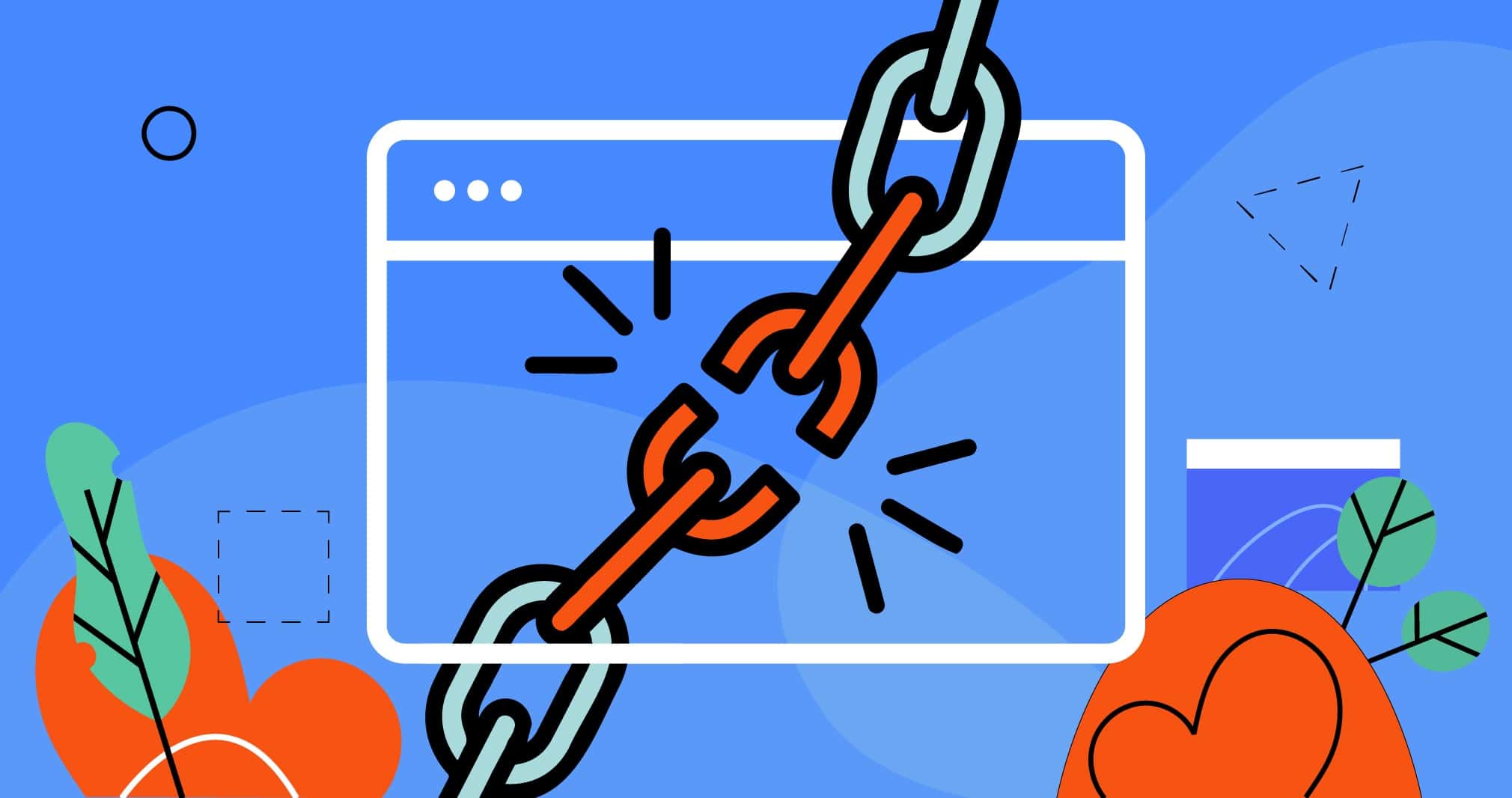
One of the most effective backlink strategies for online stores is broken link building.
Simply put, broken link building involves finding broken links on relevant websites and suggesting your own content as a replacement.
How Broken Link Building Works
The process typically involves:
Identifying broken links on authority websites.
Creating or locating matching content.
Contacting the website owner.
Suggesting your page as the replacement.
For ecommerce businesses, replacement pages may include:
Product pages
Buying guides
Category pages
Tutorials
Resource articles
This approach allows businesses to earn backlinks while helping website owners improve user experience.
Why Broken Link Building Works
Broken link outreach provides value to both parties.
The publisher fixes a broken page, while your business earns a powerful link from an authoritative website.
These links from sites with existing authority can significantly boost rankings over time.
Influencer Collaborations for Backlinks
Influencer marketing is no longer just about social media exposure—it has become an effective link-building strategy.
Partnering with creators, bloggers, reviewers, and industry experts often results in valuable editorial backlinks.
Product Reviews
Providing products to trusted influencers can generate:
Blog reviews
Video reviews
Buying guides
Product comparisons
These articles often link back to your site, creating relevant backlinks that drive both traffic and SEO value.
Affiliate Partnerships
Working with affiliates encourages publishers to create content featuring your products.
Well-written affiliate reviews often generate:
Organic traffic
Product awareness
Contextual backlinks
Digital PR Campaigns
Running digital PR campaigns helps ecommerce businesses earn mentions from journalists, bloggers, and online publications.
Successful PR campaigns may include:
Original research
Product launches
Charity initiatives
Surveys
Industry reports
These campaigns often produce high-quality links from authoritative media websites.

Strengthen Internal Linking
While external backlinks are essential, internal link building also plays a vital role in ecommerce SEO.
Strategic internal links help distribute link juice throughout your website.
Benefits include:
Improved crawling
Better navigation
Increased page authority
Higher rankings for important pages
Use internal links to connect:
Product pages
Category pages
Buying guides
Blog posts
FAQs
This improves user experience while strengthening your overall SEO architecture.
Focus on High-Quality Link Acquisition
The goal of ecommerce link building should never be collecting as many backlinks as possible.
Instead, prioritize link acquisition from:
Industry publications
Review websites
News outlets
Bloggers
Resource pages
Educational websites
A single quality link from a trusted website often delivers more SEO value than dozens of low-quality backlinks.

Avoid Risky Link Building Practices
Search engines continue to improve their ability to detect manipulative backlinks.
Avoid:
Buying links
Automated backlink software
Link farms
Spammy directories
Excessive reciprocal linking
Following Google’s link guidelines helps protect your website from penalties while supporting long-term growth.
Dofollow vs Nofollow Links
Understanding link attributes is also important.
Dofollow Links
These links generally pass authority and contribute to SEO performance.
Nofollow Links
A nofollow link may not pass traditional link equity, but it can still:
Drive referral traffic
Increase brand awareness
Diversify backlink profiles
Generate customer engagement
A healthy backlink profile typically includes a natural mix of both.
Advanced Ecommerce Link Building Strategies
Businesses serious about working in ecommerce link building often combine multiple strategies to maximize results.
Examples include:
Guest posting
Broken link outreach
Resource page outreach
Digital PR
Product reviews
Expert roundups
Supplier partnerships
Influencer collaborations
These are among the most effective building tactics for ecommerce brands looking to improve long-term SEO performance.
Best Practices for Ecommerce Link Building
Follow these proven principles for long-term success:
Focus on earning high-quality links rather than large quantities.
Publish valuable content that naturally earns backlinks.
Improve product and category pages before outreach.
Build relationships within your industry.
Use internal linking to distribute link juice effectively.
Invest in digital PR campaigns for editorial backlinks.
Avoid buying links or participating in manipulative schemes.
Track links pointing to your website and monitor backlink quality regularly.
Successful link building for ecommerce requires consistency, creativity, and a focus on quality. By creating valuable content, optimizing product and category pages, leveraging influencer partnerships, conducting broken link outreach, and launching PR campaigns, online stores can earn authoritative backlinks that improve brand authority, increase organic visibility, and achieve higher rankings.
Whether you’re launching a new Shopify store or managing one of many established ecommerce brands, effective ecommerce SEO depends on earning links from other websites pointing to your store naturally. Combined with strong internal linking, strategic link acquisition, and even ongoing Shopify development improvements, these tactics create a solid foundation for sustainable growth and long-term search engine success.

Optimizing Product Pages for Link Building
Keyword Research for Ecommerce
Effective keyword research is the cornerstone of any successful ecommerce link building campaign, particularly when aiming to optimize specific product pages for higher search engine rankings. By thoroughly understanding what terms your target audience uses to search for products like yours, you can strategically integrate these keywords into your product page content. This not only makes your product pages more discoverable but also informs your link-building efforts. When other authoritative websites link back to your product page using relevant anchor text containing these keywords, it significantly enhances the relevance and authority of your page in the eyes of search engines. This meticulous attention to keywords ensures that the backlinks you earn are not just high-quality but also highly relevant, driving targeted traffic to your ecommerce store and supporting your overall SEO strategy.
Creating Shareable Content for Product Pages
To truly excel in ecommerce link building, transforming your product pages into shareable content is a powerful strategy for acquiring natural backlinks. Beyond standard product descriptions, consider incorporating engaging elements such as detailed product guides, high-quality lifestyle images, compelling video demonstrations, or even comparison charts that provide genuine value to potential customers. When your product pages offer unique insights or exceptionally useful information, they become linkable assets that other authoritative websites, bloggers, and influencers will be more inclined to link back to. This approach moves beyond simply “selling” a product; it positions your product page as a valuable resource, naturally attracting high-quality backlinks and contributing significantly to your overall search rankings and ecommerce brand visibility.
Using Product Reviews as a Link Building Tool
Leveraging product reviews as a link-building tool is an often-overlooked yet highly effective strategy within ecommerce link building. Authentic, detailed product reviews, especially those with user-generated content like photos or videos, can significantly enhance the credibility and trustworthiness of your product pages. There are several ways these reviews can naturally generate valuable backlinks to your ecommerce website:
- Encouraging customers to share their experiences on their own blogs, social media, or industry forums.
- Actively soliciting reviews from influential bloggers or industry experts.
These reviews act as social proof and content drivers, making your product pages more appealing and increasing the likelihood of earning links from relevant referring domains, thereby strengthening your overall link profile and supporting business growth.

Measuring the Success of Your Link Building Efforts
Monitoring Your Link Profile
Monitoring your link profile is a critical component of any successful ecommerce link building campaign, providing invaluable insights into the effectiveness of your efforts. Regularly assessing the backlinks pointing to your ecommerce site allows you to track the acquisition of new links, identify referring domains, and ensure the overall health and quality of your link profile. Tools designed for SEO professionals can help analyze aspects such as the anchor text used, the domain authority of linking sites, and the rate at which you are earning new links. This continuous monitoring helps in quickly identifying any low-quality backlinks that could potentially harm your search rankings and allows for prompt action, such as disavowing those links, thereby protecting your ecommerce brand from penalties and maintaining your product page visibility.
Assessing Impact on Rankings
The ultimate goal of ecommerce link building is to improve your product page rankings, and therefore, carefully assessing the impact of your link building efforts on these rankings is essential. This involves tracking your target keywords for specific product pages and category pages to see how their positions in search engine results evolve over time. Observing an upward trend in your rankings for these competitive keywords after acquiring high-quality backlinks is a strong indicator of a successful link building campaign. Beyond direct keyword rankings, it’s also important to monitor organic traffic to your ecommerce site, as increased visibility should translate into more visitors, demonstrating the tangible benefits of your digital marketing and SEO strategies for business growth.
Adjusting Strategies for Business Growth
Successful ecommerce link building is an ongoing process that requires continuous adjustment and refinement of your link-building strategies to support sustained business growth. By regularly monitoring your link profile and assessing the impact on rankings, you can identify which link-building tactics are most effective for your ecommerce business and which need to be improved or replaced. For instance, if certain types of linkable assets consistently earn high-quality backlinks and boost your product page visibility, you should prioritize creating more of these. Conversely, if a particular approach yields few results or attracts low-quality backlinks, it’s time to re-evaluate. This data-driven approach ensures your ecommerce link building efforts remain agile, effective, and aligned with your broader digital marketing objectives to grow your business and increase your rankings.
