

Build High-Quality Inbound Links, Strengthen Search Engine Visibility, and Drive Sustainable Domain Authority Growth
In the dynamic world of Search Engine Optimization (SEO), understanding the nuances of how various factors contribute to your website’s visibility and success is paramount. Among these factors, backlinks play a crucial role, often acting as a cornerstone of an effective SEO strategy. This article will delve into the intricate relationship between backlinks, search engine ranking, and domain authority, providing insights into how you can leverage them to boost your domain’s performance.
Understanding Domain Authority
Domain Authority (DA) is a proprietary metric developed by Moz that predicts how likely a domain is to rank in search engine results. It’s scored on a 100-point logarithmic scale, meaning it’s much easier to improve your score from 20 to 30 than it is to improve from 70 to 80. A higher domain authority score generally correlates with a better ability to rank in search engine results, making it a critical aspect of any comprehensive SEO strategy. Understanding what domain authority is and how it influences your ranking is the first step toward achieving SEO success.
What is Domain Authority?
Domain Authority serves as a powerful indicator of a website’s overall strength and influence within its niche. It’s not a direct ranking factor used by Google, but rather a strong predictor of a domain’s ability to rank in search engine results. This metric takes into account numerous factors, including the number of backlinks, the quality of those backlinks, and the overall backlink profile of a domain. Essentially, it provides a comprehensive snapshot of a domain’s credibility and potential to perform well in search results, making it an essential concept for anyone focused on improving their search engine ranking.
Importance of Domain Authority in SEO
The importance of Domain Authority in SEO cannot be overstated. A high domain authority signals to search engines that your content is trustworthy and authoritative, thereby increasing your chances of ranking in search engine results pages. Websites with strong domain authority tend to perform better across a wider range of keywords, solidifying their position in competitive search results. Consequently, investing in strategies that boost your domain authority is a critical component of a successful SEO strategy, directly impacting your visibility and organic traffic. This metric acts as a reliable benchmark for evaluating the overall health and competitiveness of your domain.
Factors Influencing Domain Authority
Several key factors intricately influence a domain’s authority, with backlinks playing an incredibly significant role. By acquiring high-quality backlinks and maintaining a robust backlink profile, you can effectively boost your domain authority and improve your search rankings.
Here’s a breakdown of how backlinks impact domain authority:
| Factor | Impact on Domain Authority |
| Quality of Backlinks | High-quality backlinks from reputable, authoritative domains are essentially a vote of confidence, signaling to search engines that your content is valuable and trustworthy. |
| Number of Backlinks | Contributes, but quality over quantity is a crucial principle. |
| Relevance of Backlinks | Significantly affects domain authority. |
| Backlink Profile Health | A profile free from low-quality backlinks significantly affects domain authority. |

The Role of Backlinks in SEO
Backlinks play a crucial role in SEO, acting as fundamental signals to search engines about the credibility and authority of a domain. Essentially, when a website links to your content, it’s akin to a vote of confidence, indicating that your material is valuable and relevant. The collective power of these votes significantly influences your domain’s standing in search engine results. Understanding the importance of backlinks in SEO is paramount for any successful SEO strategy, as they directly contribute to improving your domain’s visibility and, ultimately, its ability to rank in search engine results. This intricate relationship between backlinks and search engines underscores why acquiring high-quality backlinks is essential for SEO success.
How Backlinks Affect Domain Ranking
Backlinks affect domain ranking by serving as powerful indicators of a website’s authority and relevance to search engines. Each high-quality backlink acts as an endorsement, telling search engines that your content is trustworthy and worth presenting to users. The more quality backlinks a domain acquires, especially from reputable sources, the stronger its backlink profile becomes, which in turn elevates its search engine ranking. This positive feedback loop means that a robust backlink profile can significantly boost your domain’s visibility in search results, directly impacting its ability to rank higher in search engine results pages and contributing to overall SEO success.
Quality Backlinks vs. Quantity of Backlinks
When it comes to the impact of backlinks on SEO, the principle of quality over quantity is paramount. While a higher number of backlinks might seem appealing, it is the quality of those backlinks that truly matters for improving your domain authority and search rankings. High-quality backlinks, those originating from reputable and authoritative domains, carry significant weight, providing a strong signal to search engines that your content is valuable. Conversely, a large quantity of low-quality backlinks can actually harm your backlink profile and negatively affect your domain’s standing in search results. Focusing on acquiring high-quality backlinks from authoritative sources is essential for genuine SEO success.
The Impact of Backlinks on SEO Success
The impact of backlinks on SEO success is profound and multi-faceted. Backlinks not only directly influence your search engine ranking but also significantly contribute to boosting your domain authority. A strong backlink profile, characterized by numerous high-quality backlinks from authoritative domains, signals to search engines that your content is a trusted resource. This trust translates into higher visibility in search engine results, driving more organic traffic to your site. Ultimately, a strategic approach to acquiring relevant backlinks is essential for improving your domain authority, securing better search rankings, and achieving long-term SEO success.

Building Backlinks to Boost Your Domain Authority
Building backlinks remains one of the most important ways to strengthen a website’s SEO performance, improve its visibility and authority, and compete for higher positions in search results. In simple terms, backlinks are links from one website to another, and search engines can use them as signals of trust, relevance, and credibility.
The benefits of backlinks go far beyond referral traffic. When valuable backlinks come from respected, relevant websites, they can help strengthen a website’s domain authority, improve page authority, and support stronger keyword rankings. However, not all backlinks carry the same value. The quality and quantity of backlinks both matter, but quality should always come first.
A single link from a high-authority domain in your niche can often have a greater backlink impact than numerous low-quality backlinks from irrelevant or spammy sources. For that reason, successful SEO campaigns focus on earning backlinks that build long-term authority and trustworthiness rather than chasing large numbers of links.
Why Backlinks Matter for Domain Authority
Before developing a link-building strategy, it helps to understand why backlinks can affect your domain authority.
Backlinks serve as external signals showing that another website considers your content useful enough to reference. When respected websites link to your pages, those endorsements can help strengthen your site’s authority and overall credibility.
High-quality backlinks may:
Improve search engine visibility
Strengthen topical authority
Increase referral traffic
Improve keyword rankings
Support stronger page authority
Enhance brand credibility
Help search engines discover new content
The key to improving domain authority is not simply collecting many backlinks. It is earning links from relevant, trustworthy websites with strong reputations of their own.
Strategies for Acquiring Quality Backlinks
Improving domain authority requires a consistent link-building strategy focused on relevance, authority, and genuine value.
Create Content That Attracts Backlinks Naturally
One of the most sustainable SEO strategies is producing content that earns backlinks naturally.
Examples of link-worthy content include:
Original research
Industry statistics
Comprehensive guides
Expert interviews
Infographics
Free tools
Templates
Case studies
When content offers something unique, useful, or difficult to reproduce, publishers are more likely to reference it.
This approach helps build authority over time without constantly asking websites for links.
Guest Post on High-Authority Websites
Guest posting remains an effective way to acquire quality backlinks from high authority websites within your industry.
A successful guest post should:
Provide genuine value
Match the publication’s audience
Include original insights
Use natural anchor text
Link to a relevant page on your website
A contextual backlink from an authoritative publication can significantly impact your SEO performance and strengthen your overall backlink profile.

Use Broken Link Building
Broken link building involves finding dead links on relevant websites and suggesting your own resource as a suitable replacement.
The process usually involves:
Finding broken external links.
Identifying a relevant page on your site.
Contacting the site owner.
Suggesting your resource as an alternative.
This strategy works well because it provides value to the publisher while helping you earn a backlink.
Analyze Competitor Backlinks
Competitor backlink research can uncover websites already linking to businesses in your niche.
Use SEO tools to examine:
Referring domains
Linking pages
Anchor text
Domain authority
Link relevance
If several competitors have links from the same publication, that website may also be a worthwhile outreach target for your business.
Focus on Relevance and Topical Authority
High-authority links are valuable, but relevance matters just as much.
A backlink from a website closely related to your industry helps build topical authority and gives search engines stronger contextual signals.
For example, an SEO agency would generally gain more value from a backlink on a respected marketing publication than from an unrelated lifestyle blog.
The best backlinks combine:
Strong authority
Topical relevance
Genuine editorial placement
Natural anchor text
These characteristics help enhance your domain authority more safely and sustainably.

Measuring the Impact of Backlinks
Tracking the effectiveness of your backlinks is essential for determining whether your strategy is producing meaningful SEO results.
Several metrics can help measure the impact on your domain and overall organic visibility.
| Aspect Monitored | Key Indicators |
|---|---|
| Backlink Profile | Total links, referring domains, relevance, link quality |
| Domain Strength | Domain Authority, Domain Rating, overall authority |
| Search Performance | Keyword rankings, impressions, organic traffic |
| Page Performance | Page authority, traffic, conversions |
| Link Quality | Authority, relevance, anchor text, placement |
Monitor Changes in Domain Metrics
Tools such as Ahrefs, Semrush, and Moz provide third-party authority scores that can help measure changes in your backlink profile.
An increase in your domain authority score can suggest that your link-building efforts are moving in the right direction.
However, these scores are third-party metrics rather than direct Google ranking factors, so they should be evaluated alongside actual SEO performance.
Track Keyword Rankings
If backlinks are helping your website, you may begin seeing improvements in search rankings for targeted keywords.
A strong backlink to an important page can help:
Improve keyword positions
Increase impressions
Generate more organic clicks
This is one of the clearest ways to evaluate backlink impact.
Monitor Organic Traffic
Look for increases in organic traffic after new backlinks are acquired.
High-quality links can improve rankings while also generating direct referral traffic.
Analyze Referring Domains
Don’t just count backlinks pointing to your site.
Also evaluate how many unique domains are linking to you.
In many cases, links from several reputable websites are more valuable than dozens of links from a single domain.

Quality and Quantity of Backlinks
SEO professionals often debate whether quantity or quality matters more.
The reality is that both matter, but quality should guide your strategy.
A website may have thousands of backlinks, but if most come from spammy websites, they may provide little value.
By contrast, a smaller backlink profile with links from respected industry websites may provide significantly greater authority.
When evaluating backlinks, consider backlinks based on:
Relevance
Authority
Placement
Anchor text
Traffic
Editorial quality
The strongest backlink profile usually grows naturally over time.
Common Mistakes in Backlink Building
Backlink building can support long-term SEO growth, but poor tactics can impact your website’s domain authority negatively.
Prioritizing Quantity Over Quality
A common mistake is chasing as many links as possible.
This often leads to numerous low-quality backlinks from irrelevant websites.
Low-quality links may add little SEO value and can create an unnatural backlink profile.
Purchasing Backlinks Without Considering Quality
Purchasing backlinks from low-quality networks or spammy websites can be risky.
Paid links designed purely to manipulate rankings may violate search engine guidelines.
If backlinks are acquired through sponsorships or advertising, they should follow appropriate search engine disclosure practices.
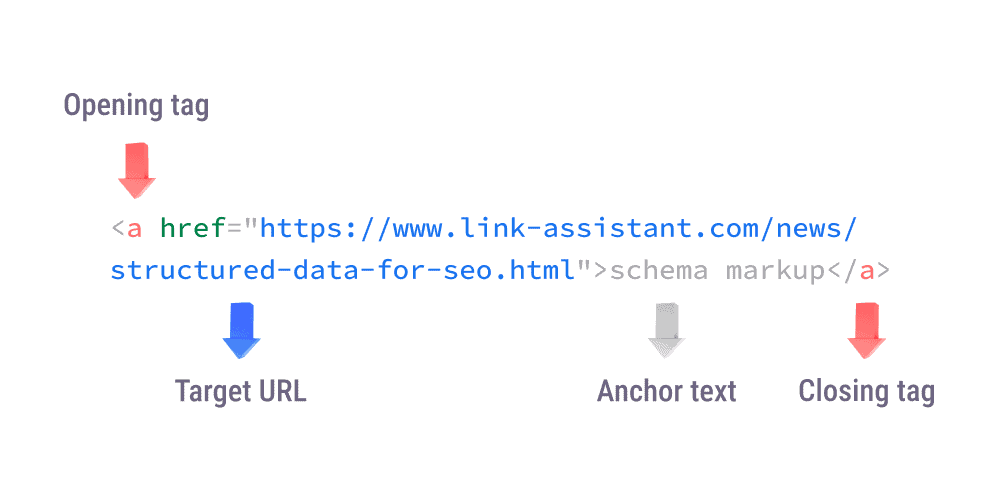
Overusing Exact-Match Anchor Text
Repeatedly using the same keyword-rich anchor text can make a backlink profile appear unnatural.
Use a mixture of:
Branded anchors
Partial-match anchors
Naked URLs
Natural phrases
A varied and optimized anchor text helps maintain a more organic appearance.
Ignoring Link Relevance
A high-authority website is not automatically a valuable backlink source.
Relevance matters.
A strong link from a closely related industry website is often more useful than an unrelated backlink from a high-metric domain.
Failing to Audit Your Backlink Profile
Regular backlink audits help identify:
Spam links
Broken backlinks
Suspicious domains
Lost backlinks
Monitoring backlinks and their quality allows you to maintain a healthier link profile.
How Backlinks Affect Overall Website Authority
The relationship between backlinks and authority develops gradually.
A growing number of relevant backlinks can help improve a website’s perceived reputation, but domain authority requires more than backlinks alone.
Other important factors include:
Content quality
Technical SEO
Website structure
Internal linking
User experience
Topical relevance
Backlinks strengthen these efforts by providing external validation.
When quality links point to important pages, they can enhance your site’s authority and help distribute credibility throughout the website through internal links.
Best Practices for Building Authority with Backlinks
To achieve long-term results, focus on a few core principles:
Prioritize quality over quantity.
Earn links from relevant websites.
Create content that attracts links naturally.
Diversify your referring domains.
Build topical authority.
Monitor backlink quality regularly.
Use natural anchor text.
Focus on editorial backlinks.
Avoid manipulative link schemes.
These practices help ensure your link-building campaign contributes to stronger overall authority rather than simply increasing backlink counts.
Backlinks remain one of the most valuable components of a successful SEO strategy. Because backlinks are links from one website to another, they can act as endorsements that strengthen credibility, improve visibility, and support better rankings.
The real goal is not simply accumulating many backlinks, but earning relevant, authoritative links that deliver genuine SEO value. A link from a high-authority domain can strengthen your backlink profile, improve page authority, and potentially impact your website’s domain authority far more than large volumes of weak links.
By concentrating on quality backlinks from high authority and relevant sources, creating link-worthy content, and regularly measuring the effectiveness of your backlinks, you can steadily enhance your domain authority, strengthen your site’s authority, and build the foundation for sustainable organic link building growth.

Backlinks and Domain Rating
Understanding Domain Rating
Understanding Domain Rating (DR) is essential for grasping how backlinks affect domain performance and contribute to your overall SEO strategy. Developed by Ahrefs, Domain Rating is a metric that measures the strength of a website’s backlink profile on a logarithmic scale from 0 to 100. A higher Domain Rating indicates a stronger backlink profile, which often correlates with a greater ability to rank in search engine results. Unlike Domain Authority, which considers various factors, DR primarily focuses on the quantity and quality of backlinks. It provides a clear indication of how many unique domains link to your site and the strength of those links, offering valuable insight into your website’s potential to rank in search.
How Backlinks Influence Domain Rating
Backlinks play a crucial role in influencing a domain’s rating, acting as a direct signal to search engines about the credibility and authority of your website. Each time a reputable external domain links to your content, it essentially casts a vote of confidence, which positively impacts your Domain Rating. The more high-quality backlinks a domain acquires from authoritative sources, the more robust its backlink profile becomes, leading to a significant boost in its Domain Rating. Conversely, a lack of quality backlinks or an abundance of low-quality backlinks can hinder your Domain Rating with these common avoidable backlinking mistakes. Therefore, actively pursuing relevant backlinks from reputable domains is essential for improving your domain’s standing and ultimately enhancing your search engine ranking.
Improving Domain Rating through Backlinks
Improving your Domain Rating through backlinks is a strategic process that directly contributes to your SEO success and helps boost your domain authority. The primary method involves acquiring high-quality backlinks from reputable domains within your niche. By creating valuable content that naturally attracts backlinks, you can encourage other websites to link to your content, thereby enhancing your backlink profile. Focusing on obtaining links from authoritative sources, rather than merely accumulating a large number of low-quality backlinks, is critical. This quality over quantity approach sends strong signals to search engines that your content is trustworthy and relevant, directly improving your Domain Rating and, consequently, your potential to rank in search engine results.
