
Strategic Growth: Master the Pace of Link Building for Sustainable Search Authority
In the ever-evolving world of Search Engine Optimization (SEO), understanding the nuances of link building is crucial for achieving and maintaining high search engine rankings. One critical aspect of link building is link velocity, which refers to the pace at which a website gains backlinks. This article delves into the concept of link velocity, its significance in SEO, and strategies for effectively managing it to improve your website’s ranking.

Understanding Link Velocity
Definition of Link Velocity
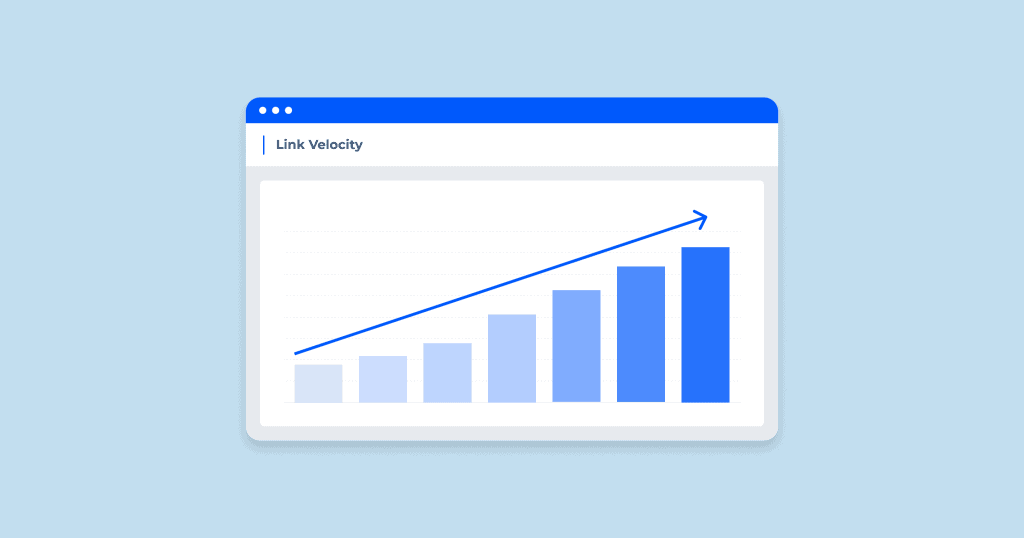
Link velocity refers to the rate at which a website gains new backlinks over a period of time. In SEO, backlink velocity measures how quickly links to your website appear across the internet. This growth can be tracked weekly, monthly, or over longer periods to determine how fast a website’s backlink profile is expanding.
For example, SEO professionals often count how many new links a website gains each month to calculate its monthly link velocity. A site might gain 5 backlinks per week, 100 backlinks over several months, or even hundreds of backlinks if a piece of content becomes popular. The key point is that link velocity refers to the rate at which links are acquired—not just the amount of links pointing to a website.
Search engines analyze how links come into a website to determine whether the growth looks natural. If a new website suddenly receives 100 links in a short period or a spike in backlinks from unrelated websites, it may signal unnatural link building. On the other hand, a gradual increase in high-quality backlinks helps build a natural backlink profile that can improve SEO performance.
Understanding link velocity helps website owners evaluate whether their SEO strategy is producing steady growth or creating patterns that may raise concerns for search engines.
Why Link Velocity Is Important for SEO
Link velocity plays an important role in search engine optimization because it helps search engines evaluate the credibility and popularity of a website. When a site earns links over time at a consistent pace, it signals that the content is gaining attention and trust within its niche.
A steady increase in external links from reputable websites helps strengthen authority and improve website rankings. When high-quality backlinks naturally accumulate, they pass link equity to the site and help search engines determine that the content is valuable.
However, an unnatural backlink pattern can cause problems. For example:
- A high link velocity where thousands of links appear suddenly may signal manipulation.
- A sudden spike in backlinks could indicate automated link building.
- Creating links at an unnatural pace may actually lower the score of the website in search rankings.
Search engines consider backlink growth patterns because backlinks may be a factor used to determine trust and authority. If many links appear overnight without clear context, this may also signal an attempt to manipulate rankings rather than earn links naturally.
Instead of trying to build hundreds of backlinks quickly, a better strategy is to focus on earning natural backlinks from relevant websites. Gradual growth supports long-term SEO success and avoids penalties.
Factors That Influence Link Velocity
Several factors influence how quickly a website gains backlinks. Understanding these elements helps SEO professionals maintain a healthy and natural backlink profile.
1. Website Age and Authority
A new website typically starts with a slow backlink growth rate because it has not yet established credibility. Over time, as the site publishes content and gains visibility, the number of new links may increase.
Established websites often gain backlinks faster because they already have authority and recognition in their niche.
2. Content Quality
High-quality content is one of the strongest drivers of natural link growth. Articles, guides, tools, and research reports often attract high-quality backlinks without aggressive outreach.
When valuable content is shared widely, it can lead to getting more links organically from blogs, news sites, and industry resources.
3. Link Building Strategy
The methods used to acquire backlinks also affect link velocity. Strategies such as:
Guest posting
Outreach campaigns
Digital PR
Content marketing
Can gradually increase the number of backlinks pointing to a website.
However, creating backlinks without context or relying on automated tools can produce unnatural patterns that search engines may flag.
4. Competitor Backlink Activity
Studying a competitor link profile can reveal how quickly other websites in your niche are gaining links. If competitors are acquiring 100 links per month, your strategy may need to produce a similar pace to remain competitive.
However, instead of trying to match competitors by building thousands of links quickly, it is better to focus on earning relevant, high-quality backlinks over time.
5. Diversity of Referring Domains
The diversity of websites linking to you also influences link velocity. A healthy backlink profile includes links from many unique domains rather than repetitive links from the same site.
When many links come from diverse, authoritative websites, they contribute to a stronger and more natural SEO profile.
Link velocity is an important SEO concept that measures how quickly a website gains backlinks. Because link velocity refers to the rate of backlink growth, search engines analyze these patterns to determine whether link acquisition appears natural.
A steady increase in high-quality backlinks, rather than sudden bursts of hundreds of backlinks, helps build a natural backlink profile that improves authority and search rankings. By focusing on quality content, ethical link building, and consistent growth, website owners can ensure their backlink strategy supports long-term SEO success.

Building Backlinks: Best Practices
Strategies to Build Links Effectively
Successful link building campaigns are essential for improving search engine visibility, increasing domain authority, and strengthening your website’s overall SEO performance. Because link velocity is the speed at which links are acquired, building backlinks strategically and consistently is critical for maintaining a natural growth pattern that search engines trust.
Focus on Manual Outreach
One of the most reliable ways to build backlinks is through manual link building. This involves reaching out to website owners, bloggers, and editors in your niche to request link placements or content collaborations. Personalized outreach emails that offer value—such as expert insights, updated resources, or relevant content—can significantly improve your success rate.
Manual outreach helps ensure backlinks come from relevant sources, which strengthens your SEO and helps maintain a healthy link profile.
Use Guest Posting to Earn Authority Links
Guest posting remains a powerful method for building high-quality backlinks. By publishing valuable articles on reputable websites within your niche, you gain exposure to new audiences while earning contextual backlinks.
Benefits of guest posting include:
- Building authority within your industry
- Driving targeted referral traffic
- Increasing the number of backlinks pointing to your site
- Strengthening relationships with other website owners
When guest posting is part of your link building campaigns, it contributes to steady link growth and supports a balanced backlink profile.
Create Link-Worthy Content
Content marketing is another key component of effective link building. Creating valuable resources such as:
In-depth guides
Research reports
Tutorials
Infographics
Data-driven articles
encourages other websites to naturally link back to your content.
When high-quality content is shared widely, the number of backlinks may increase naturally, helping search engines recognize your site as a trusted source of information.
Diversify Your Link Building Methods
Using a variety of strategies ensures that links are acquired from multiple sources. This helps create a more natural backlink profile. Effective link building strategies may include:
Guest posting
Outreach campaigns
Resource page link building
Content marketing
Digital PR
Diversifying link sources reduces risk and helps maintain a consistent backlink growth pattern.
Track and Improve Your Link Building Efforts
Monitoring performance is crucial for improving SEO results. Track metrics such as:
- The number of backlinks gained each month
- Referring domains
- Link quality and relevance
- Organic traffic growth
By analyzing the results of your link building campaigns, you can refine your approach and maximize the number of backlinks your website gains over time.

Natural vs. Unnatural Link Building
Understanding the difference between natural and unnatural link building is critical for maintaining a safe and sustainable SEO strategy.
Natural Link Building
Natural link building occurs when websites link to your content because they find it useful, informative, or relevant. These backlinks are typically earned through valuable content and authentic outreach.
Examples of natural link acquisition include:
- Editorial mentions in blog posts or articles
- Guest posts on relevant websites
- Links from resource pages
- Content citations from industry publications
When links are acquired naturally, they create a steady backlink growth pattern and support long-term SEO success.
Unnatural Link Building
Unnatural link building involves manipulative tactics designed to artificially inflate the number of backlinks pointing to a website. These practices often violate search engine guidelines and may lead to penalties.
Common examples include:
- Buying large volumes of backlinks
- Participating in link schemes
- Excessive reciprocal linking
- Automated link building tools
These tactics can cause the number of backlinks may increase suddenly, creating an unnatural spike in link growth. Since link velocity is the speed at which backlinks are built, an unnatural spike may raise concerns for search engines.
Focusing on ethical SEO practices ensures your website grows authority without risking penalties.
Safe Link Building Practices
Safe link building focuses on earning quality backlinks through ethical and sustainable methods. Maintaining a clean backlink profile helps protect your website’s rankings and ensures long-term SEO success.
Prioritize Quality Over Quantity
Not all backlinks are equally valuable. A small number of high-quality links from authoritative websites often delivers better results than hundreds of low-quality links.
High-quality backlinks typically come from websites that:
- Are relevant to your niche
- Have strong domain authority
- Publish high-quality content
- Maintain an active audience
These types of links contribute more value and help improve overall search visibility.
Build Relationships with Trusted Websites
Establishing relationships with bloggers, journalists, and website owners in your niche can lead to natural backlink opportunities. Collaboration, interviews, and content partnerships often result in organic backlinks that strengthen your website’s authority.
Relationship-driven link building also ensures that links are acquired naturally rather than through manipulative tactics.
Audit Your Backlink Profile Regularly
Regular backlink audits help identify harmful or low-quality links that could affect SEO performance. Tools like Ahrefs, SEMrush, or Google Search Console allow website owners to monitor backlinks and remove problematic links if necessary.
If spammy backlinks are discovered, they should be removed or disavowed to protect the website’s search rankings.
Follow Ethical SEO Guidelines
Safe link building means avoiding risky practices such as:
Buying backlinks in bulk
Participating in link exchanges or link farms
Using automated link building software
Instead, focus on earning links through valuable content, strategic outreach, and reputable partnerships.
Effective link building requires strategy, patience, and consistency. Because link velocity is the speed at which links are acquired, maintaining steady growth is essential for building trust with search engines.
By implementing ethical link building campaigns, focusing on quality backlinks, and ensuring that the number of backlinks may grow naturally, website owners can build a strong backlink profile that supports sustainable SEO success.
Determining the Right Speed for Building Links
How Fast Should You Build Links?
Determining the right pace for link building is an important part of a successful SEO strategy. The ideal link velocity depends on several factors, including the age of your website, your current authority, and the level of competition within your niche. Because every website grows at a different rate, there is no universal number of backlinks that guarantees success.
For a new website, it is best to start slowly and focus on building backlinks gradually. When a brand-new site suddenly gains hundreds of links in a short period, it may look unnatural to search engines. In some cases, Google may view this pattern as an attempt to manipulate rankings, which could penalize the website or reduce its visibility in search results.
Established websites with stronger domain authority can typically handle faster backlink growth. However, even larger websites benefit from maintaining a steady and consistent link acquisition pattern. The goal is to build links in a way that reflects natural popularity—earning links through valuable content, outreach, and partnerships rather than aggressive link bursts.
To determine how fast you should build links, consider the following factors:
Website age: New websites should build links slowly and naturally.
Existing backlink profile: Established sites can scale link building more aggressively.
Niche competitiveness: Highly competitive industries often require more backlinks to rank.
Content quality: High-value content naturally attracts more links over time.
Ultimately, successful SEO strategies focus on building links consistently rather than trying to accelerate growth too quickly.
Implications of Low Link Velocity
While building links too quickly can raise red flags, an extremely slow link growth rate can also affect SEO performance. Low link velocity occurs when a website gains very few new backlinks over time, which may slow its ability to compete in search rankings.
Search engines evaluate backlinks as signals of trust, authority, and relevance. If a website rarely gains new backlinks, search engines may assume that the site is not actively growing or providing valuable content worth referencing.
Some common consequences of low link velocity include:
Slower improvements in search rankings
Reduced organic traffic growth
Lower authority compared to competitors
Limited brand visibility within the industry
However, a slow and steady approach is still safer than aggressive link acquisition. SEO success comes from maintaining balance. Website owners should focus on building high-quality backlinks consistently rather than aiming for quick bursts of links.
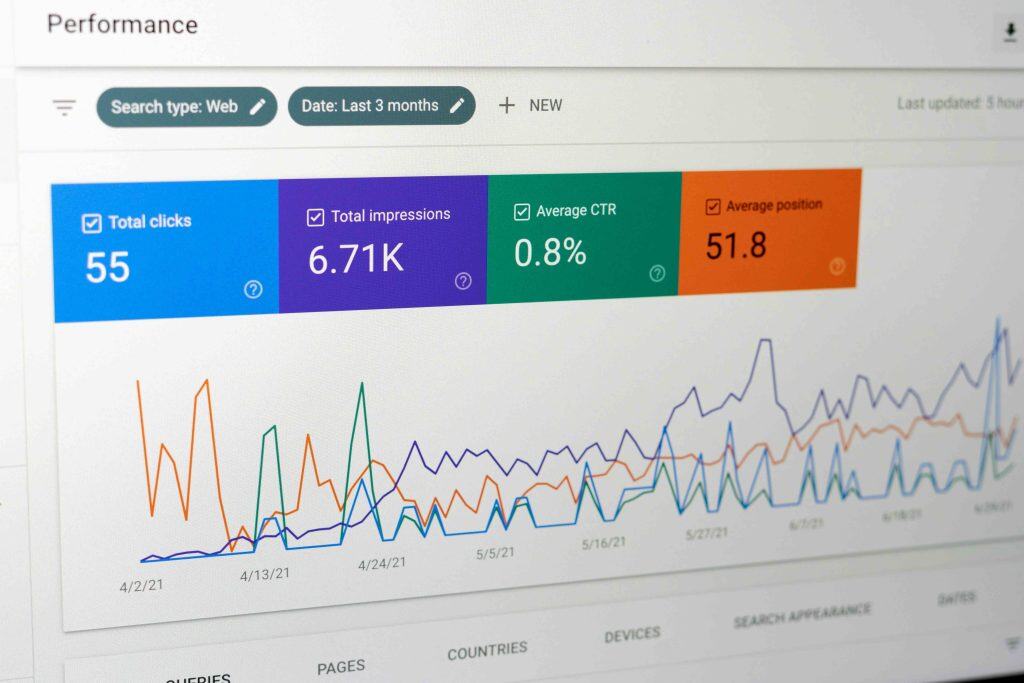
Tracking backlink growth can help identify whether link-building efforts are producing results. Monitoring the number of referring domains, backlinks gained each month, and overall link diversity allows website owners to adjust their strategies when necessary.
When implemented correctly, consistent link acquisition helps websites gradually build authority and improve their search engine visibility.
Signs of Unnatural Link Velocity
Unnatural link velocity occurs when a website experiences an unusually rapid increase in backlinks within a short time frame. This pattern often results from manipulative link building tactics rather than genuine content popularity.
Search engines analyze backlink patterns closely. If link growth appears suspicious, Google may investigate the website’s backlink profile and potentially penalize the site for violating SEO guidelines.
Some common signs of unnatural link velocity include:
Sudden Spikes in Backlinks
A dramatic increase in backlinks within a few days or weeks can indicate artificial link building. Natural link growth usually occurs gradually as content gains exposure.
Links from Low-Quality Websites
Backlinks coming from spammy, irrelevant, or low-authority sites can weaken a website’s backlink profile and harm SEO performance.
Over-Optimized Anchor Text
When a large percentage of backlinks use the same keyword-rich anchor text, it may signal manipulative SEO practices.
Links from Unrelated Niches
Backlinks from websites that have no topical relevance to your industry may appear suspicious to search engines.
To avoid these issues, website owners should focus on building backlinks from relevant, trustworthy websites. High-quality backlinks from authoritative sources provide stronger SEO value and help maintain a natural link growth pattern.
Regular backlink audits are also essential. Monitoring backlink growth allows website owners to identify unusual spikes or suspicious link sources before they cause SEO problems.
Maintaining the right link velocity is an important part of long-term SEO success. Building links too quickly can raise concerns for search engines, while extremely slow link growth may limit a website’s ability to compete in search results.
The most effective strategy is to focus on building high-quality backlinks consistently over time. By prioritizing relevant websites, valuable content, and ethical link building practices, website owners can strengthen their backlink profiles and improve search rankings without risking penalties.

Impact of Link Velocity on Ranking Factors
Link Velocity as a Ranking Factor
Link velocity plays a crucial role as a ranking factor in SEO, influencing how search engines perceive the authority and relevance of a website. A natural link velocity, characterized by a steady and organic accumulation of quality links, can positively impact your website’s ranking in search results and significantly increase organic traffic. Search engine algorithms use link velocity as one of the signals to determine the trustworthiness of a site’s link profile. Monitoring how fast you should build links and ensuring that your website gains new backlinks at a consistent pace helps signal to search engines that your site is actively growing its authority. Building a strong backlink profile through effective link building strategies is essential for achieving and maintaining high rankings.
Growing Your Backlink Profile
Growing your backlink profile strategically involves implementing various link building strategies to increase the number of backlinks pointing to your website. Focus on manual link building techniques, such as creating valuable content that naturally attracts inbound links and reaching out to relevant referring domains. Diversifying your link sources is crucial for maintaining a healthy link profile and avoiding any signals of unnatural link acquisition. Aim to get backlinks from authoritative sites within your niche to boost your website’s credibility and relevance. Regularly assess your current backlink profile to identify areas for improvement and ensure that your link building efforts align with your SEO goals. The goal is to build a solid foundation of links per month that support sustainable growth in search engine rankings.
Balancing Link Velocity for Optimal SEO
Balancing link velocity is critical for optimal SEO, ensuring that your link building efforts contribute positively to your website’s ranking without triggering penalties. Aim for a consistent link velocity that aligns with your website’s age, authority, and the competitiveness of your niche. Avoid sudden and unnatural link velocity spikes, which can raise red flags for search engines and potentially lead to penalties. Instead, focus on gradually increasing the number of new backlinks over time through ethical link building practices. Monitor your backlink profile regularly to identify and disavow any spam or low-quality links that could harm your site’s link. Understanding how link velocity works in your specific context is essential for a successful SEO strategy. Maintaining a good link velocity ensures long-term growth and improved visibility in search results.
