
The Fundamental Blueprint for Mastering Site Architecture to Dramatically Enhance SEO Rankings and User Experience Through Strategic Optimization
Internal linking is a fundamental aspect of search engine optimization (SEO) that often gets overlooked. While much attention is given to acquiring external backlinks, the way pages on your own site connect can significantly impact your search rankings and user experience. This article delves into the best practices for internal linking, helping you harness its full potential to improve your website’s SEO performance.
Understanding Internal Links
What is an Internal Link?
An internal link is a hyperlink that connects one page on your website to another page within the same domain. In simple terms, internal links are hyperlinks that help users and search engines navigate between different internal pages across your website.
Unlike external links, which direct users to another website, an internal link keeps visitors within your own website ecosystem. Every time a user clicks an internal link, they move from one page to another page on your site, allowing them to discover more content, products, services, or information.
Internal linking is one of the foundational elements of website structure and plays a major role in both user experience and search engine optimization.
How Internal Links Work
Internal links create pathways between your website pages, helping:
- Users navigate your content more easily
- Search engines crawl your site efficiently
- Important pages gain more visibility
- Related content stay connected
These links help search engines understand how your website content is organized and which pages are most important within your overall site structure.
For example:
- A blog post may link back to a service page
- A product page may add links to related categories
- A homepage may include page links to important landing pages
This interconnected structure improves usability while strengthening your SEO performance.
Importance of Internal Links for SEO
Internal links are important for SEO because they help search engines discover, crawl, and index your website pages effectively.
Without a strong internal linking structure, some pages may become isolated and difficult for search engines to find through Google Search. Proper internal linking ensures that all important pages remain accessible and connected.
How Internal Links Help Search Engines
Search engines use internal links to:
- Crawl and index website content
- Understand website hierarchy
- Discover new pages
- Determine content relationships
- Identify which pages are most important
The more strategically your internal links are placed, the easier it becomes for search engines to evaluate your website structure and content relevance.
This is why internal links are important for SEO and should be part of every on-page optimization strategy.
Passing SEO Value Through Internal Links
Internal links also distribute SEO value, often referred to as “link equity” or “link juice,” across your website.
When one high-authority page links to another internal page, some of that SEO value gets transferred, helping strengthen the linked page’s ranking potential.
This internal flow of authority helps:
- Improve rankings for key pages
- Strengthen topical relevance
- Increase page visibility
- Support better indexing
Strategically linking to relevant pages allows you to guide both users and search engines toward your most valuable content.
Why Contextual Links Matter
Contextual links are among the most powerful types of internal links because they appear naturally within page content.
These links:
- Provide additional context
- Improve user engagement
- Encourage deeper navigation
- Strengthen topical relevance
Most importantly, contextual links help search engines better understand the relationship between related topics and pages.
For example, a blog article about SEO may naturally link to:
- Keyword research guides
- Local SEO services
- Technical SEO pages
- Internal linking tutorials
These contextual connections help improve content relevance and overall SEO performance.
Types of Internal Links
There are several types of internal links used across websites, each serving different navigation and SEO purposes.
Understanding these different link types helps create a stronger internal linking structure and improves overall website usability.
Navigational Links
Navigational links are typically found in:
- Main menus
- Navigation bars
- Headers
- Dropdown menus
These links help users quickly move between major sections of your website.
Examples include:
- Home
- Services
- Blog
- About Us
- Contact
Navigational page links are essential for website usability and site architecture.
Contextual Links
Contextual links appear naturally within content and often provide the greatest SEO value.
These links:
- Connect related articles and pages
- Improve topical authority
- Encourage users to explore more content
- Help distribute SEO value across internal pages
Because they appear within meaningful content, contextual links help search engines better interpret content relationships.
Sidebar Links
Sidebar links are placed in side navigation sections and are commonly used to:
- Highlight popular posts
- Promote categories
- Feature recent content
- Direct users to important pages
These links also help improve navigation and increase visibility for key internal pages.
Footer Links
These links appear at the bottom of website pages and often include:
- Contact pages
- Privacy policies
- Service pages
- Important categories
Footer links help reinforce website structure and ensure important content remains accessible throughout the site.
Image Links
Images can also function as internal links when users click on graphics, banners, or buttons that direct them to another page on the website.
These visual links improve user experience while supporting website navigation.
Avoiding Broken Internal Links
Broken internal links can negatively affect both user experience and SEO performance.
A broken link occurs when a page links to content that:
- No longer exists
- Has been moved
- Returns an error page
Broken internal links:
- Disrupt website navigation
- Reduce crawl efficiency
- Create poor user experiences
- Weaken SEO performance
Regularly auditing your website helps identify and fix broken internal links before they impact rankings.
Effective Internal Linking Strategies
Setting Up an Internal Linking Structure
Creating a strong internal linking structure is one of the most effective ways to improve website organization, user experience, and SEO performance. Internal linking plays a critical role in helping both users and search engines navigate your website efficiently while distributing authority across important pages.
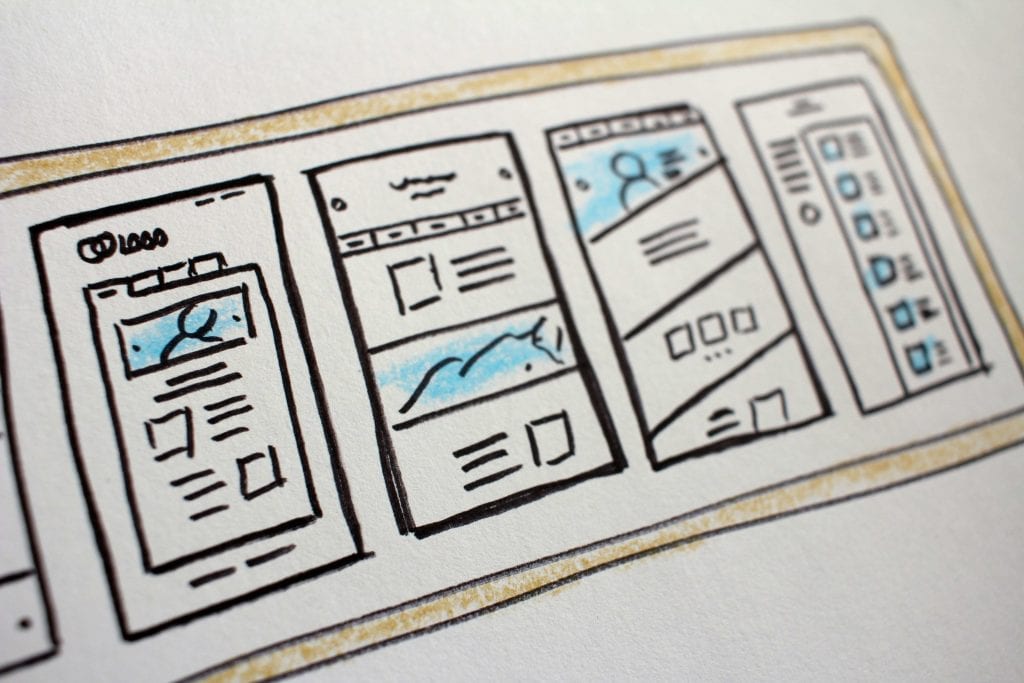
A well-structured website should guide visitors naturally from one page to another through logical navigation and strategically placed internal links. This allows users to discover additional relevant content while helping search engines better understand the relationships between pages on your site.
An effective internal linking strategy that boosts SEO starts with a clear website architecture. Your content should be organized into categories, subcategories, and topic clusters that make navigation intuitive and user-friendly.
Why Internal Linking Matters
Internal links are important for SEO because they:
- Help search engines crawl your website
- Improve page discoverability
- Pass link equity between pages
- Strengthen topical relevance
- Improve user engagement and navigation
Without a proper internal linking structure, valuable pages may become difficult for search engines to discover and index effectively.
Organizing Your Website Structure
A strong internal linking structure often includes:
- Main navigation menus
- Category pages
- Service pages
- Blog content
- Related articles
- Footer and sidebar navigation
This structure helps search engines identify which pages are most important while improving the overall flow of authority throughout your website.
For example:
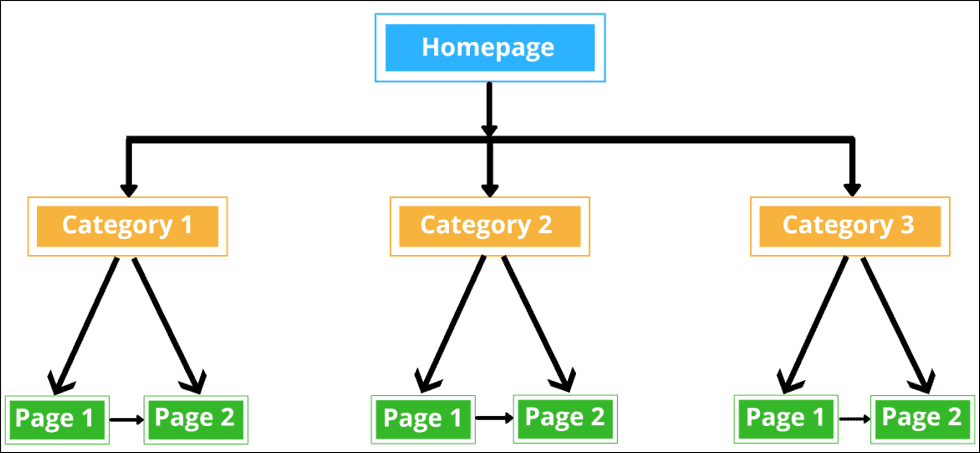
- A homepage may link to major category pages
- Category pages may link to related blog content
- Blog articles may link back to service or product pages
This interconnected system creates a logical hierarchy that strengthens overall SEO performance.
Smart Internal Linking Techniques
Implementing smart internal linking techniques helps maximize SEO value while improving user experience and content discoverability.
Rather than randomly placing links throughout your website, strategic internal linking focuses on connecting highly relevant pages together in meaningful ways.
Using Contextual Internal Links
Contextual internal links are among the most powerful internal linking techniques because they appear naturally within content.
These links:
- Provide additional value to readers
- Improve topical relevance
- Encourage deeper website exploration
- Help distribute SEO authority
Most importantly, contextual internal links help search engines better understand content relationships and thematic relevance across your website.
For example, a blog post about SEO might include contextual internal links to:
- Keyword research guides
- Local SEO articles
- Technical SEO pages
- Link-building tutorials
This creates stronger topic associations and improves overall website authority.
Linking to Important Pages
Every internal links strategy should prioritize directing authority toward your most important pages.
These may include:
- Service pages
- Product pages
- High-converting landing pages
- Pillar content
- Revenue-generating pages
Adding internal links to a page consistently across related content helps search engines recognize its importance within your website hierarchy.
The more relevant internal links pointing to a page, the stronger its potential authority and visibility may become.
Balancing the Number of Links
Although internal linking is highly beneficial, it’s important to maintain a reasonable number of links on each page.
Too many links can:
- Dilute SEO value
- Confuse users
- Reduce content readability
- Appear spammy to search engines
The goal is to create natural links and helpful navigation rather than overwhelming users with excessive page links.
A balanced internal linking strategy should focus on:
- Quality over quantity
- Relevance over volume
- User experience first
Creating Topic Clusters
Topic clustering is one of the most effective modern internal linking techniques.
This strategy involves:
- Creating a central pillar page
- Linking supporting articles back to the main topic
- Interconnecting related subtopics
This internal linking structure helps:
- Build topical authority
- Improve content organization
- Increase crawl efficiency
- Strengthen SEO relevance
Internal links to discover related content also keep visitors engaged longer and improve overall website usability.
Common Linking Issues and How to Avoid Them
Even well-designed websites can develop internal linking issues that negatively impact SEO performance if not properly managed.
Regularly auditing websites help identify and fix these problems before they harm rankings or user experience.
Broken Internal Links
These links occur when internal links point to pages that:
- No longer exist
- Have been deleted
- Have changed URLs
- Return error pages
Broken internal links:
- Create poor user experiences
- Waste crawl budget
- Reduce SEO effectiveness
- Signal neglect to search engines
Regularly checking and repairing broken links helps maintain website health and SEO performance.
Orphan Pages
Orphan pages are pages that have no internal links pointing to them.
This creates several SEO problems because:
- Search engines struggle to find them
- Users cannot easily access them
- They receive little or no SEO authority
Every important page should be integrated into your internal linking structure to ensure proper visibility and indexing.
Over-Optimized Anchor Text
Using the exact same keyword repeatedly in anchor text can appear manipulative and unnatural.
To avoid over-optimization:
- Use varied anchor text naturally
- Focus on readability and context
- Avoid forcing keywords unnaturally
Natural linking patterns help improve user experience and maintain search engine trust.
Benefits of Internal Linking
How Internal Links Improve SEO
Internal linking is crucial for building a sustainable SEO foundation and improving the overall performance of your website in search engines. Internal links are hyperlinks that point from one page on your website to another page within the same domain, helping search engines discover, crawl, and understand your content structure more effectively.
A page is an internal link destination whenever another page on your website links directly to it. These connections help search engines determine:
- Which pages are most important
- How content is related
- Which pages deserve more visibility in search results
Unlike external links, where external links point to another website or domain, internal links keep users and search engines within your own website ecosystem.
Why Internal Links Are Important for SEO
Internal links are important for SEO because they help distribute authority and relevance throughout your website.
When search engines crawl your website, Google follows the internal links between pages to:
- Discover new content
- Understand website hierarchy
- Evaluate topical relevance
- Identify relationships between pages
This process helps improve indexing and strengthens your website’s overall SEO performance.
Passing Link Equity Across Your Website
One of the biggest SEO benefits of internal linking is the distribution of link equity, sometimes called “link juice.”
Pages with more internal links pointing toward them are often viewed as more important by search engines. This means strategically linking to important pages can help improve their rankings and visibility.
For example:
- Blog articles may include links back to the pillar content page
- Service pages may link to related guides
- Product pages may connect to supporting informational content
These contextual connections help search engines understand content relationships while strengthening authority across your site.
Internal linking enhances visibility by ensuring important pages receive consistent authority from related content throughout your website.
Supporting Content Clusters and Pillar Pages
Modern SEO strategies often rely on topic clusters and pillar content.
In this structure:
- A pillar page covers a broad topic
- Supporting articles link back to the pillar
- Related pages interconnect naturally
This creates a solid internal linking strategy that strengthens topical authority and improves rankings for competitive keywords.
When supporting pages consistently include internal links back to the pillar page, search engines gain a clearer understanding of your website’s expertise within a subject area.
Avoiding Isolated Pages
Pages without any internal links pointing to them are commonly called orphan pages.
These pages:
- Are difficult for search engines to discover
- Receive little SEO value
- Often struggle to rank
Building a strong internal linking structure ensures that every important page remains accessible and connected within your website.
Regularly check the internal linking structure of your site to identify isolated pages and improve crawlability.

Enhancing User Experience with Internal Links
Internal linking not only improves SEO but also significantly strengthens user experience.
SEO and user experience work together because a well-structured website helps visitors:
- Navigate content more easily
- Find relevant information quickly
- Stay engaged longer
- Explore additional pages naturally
Good internal linking encourages users to continue exploring your website rather than leaving after viewing a single page.
Keeping Users Engaged
When internal links are contextually relevant, users are more likely to click through and explore related content.
For example:
- A digital marketing article may link to SEO tutorials
- A travel guide may connect to accommodation recommendations
- A fitness blog may link to nutrition resources
These logical content connections create a smoother browsing experience and improve user satisfaction.
Internal links can help reduce bounce rates while increasing:
- Page views
- Session duration
- User engagement
- Conversion opportunities
Navigational and Contextual Internal Links
Different types of internal links support both SEO and navigation.
Navigational Links
These links help users move through key website sections and are commonly found in:
- Menus
- Headers
- Footers
- Sidebar navigation
Contextual Links
Contextual links appear naturally within content and often provide the greatest SEO value.
These links:
- Add context and relevance
- Support content discovery
- Improve topic relationships
- Help users access deeper information
Because contextual links are embedded naturally within content, they improve both SEO and usability simultaneously.
Linking Best Practices for Maximum Impact
Implementing internal linking best practices ensures your website gains the maximum SEO and usability benefits from internal links.
A strategic and well-organized approach creates a more efficient website structure for both users and search engines.
Use Descriptive and Relevant Anchor Text
Anchor text should clearly describe the linked page and provide context to both users and search engines.
Instead of generic phrases like:
- “Click here”
- “Read more”
Use descriptive anchor text such as:
- “Complete local SEO guide”
- “Internal linking best practices”
- “Cape Town travel itinerary”
This improves clarity and helps search engines better understand linked content.
Maintain a Balanced Number of Links Per Page
While internal linking is highly beneficial, adding too many links on a page can reduce readability and dilute SEO value.
The ideal number of links per page depends on:
- Content length
- Website structure
- User experience
- Content relevance
Links should be used strategically and naturally rather than excessively.
A balanced approach creates cleaner navigation while maintaining SEO effectiveness.
Audit Your Current Internal Linking Structure
Regularly reviewing your current internal linking structure helps identify opportunities for improvement.
An internal link audit should check for:
- Broken internal links
- Orphan pages
- Over-optimized anchor text
- Missing contextual links
- Links pointing to HTTP pages instead of HTTPS
Fixing links pointing to HTTP pages improves security, consistency, and crawl efficiency.
Prioritize Relevant Linking
Links are most effective when they are contextually relevant and genuinely useful to readers.
Avoid forcing unrelated internal links simply for SEO purposes. Instead:
- Link related topics naturally
- Support user intent
- Connect complementary content
This creates a stronger user experience while improving overall SEO performance.

Building a Strong Internal Linking Strategy
A successful internal linking strategy should focus on:
- Website organization
- User navigation
- Topical relevance
- Authority distribution
- Crawl efficiency
Building an internal linking strategy involves carefully planning how content connects across your website.
Monitoring and Optimizing Internal Links
Checking Your Internal Linking Strategy
Regularly reviewing your website’s internal linking structure is essential for maintaining strong SEO performance and improving user experience. Your linking strategy is important for SEO because it helps search engines discover, crawl, and understand the relationship between pages across your website.
Without a well-maintained internal linking strategy, valuable pages may lose visibility, become difficult to discover, or fail to pass authority effectively throughout your site.
A strong and robust internal linking system helps:
- Improve website organization
- Strengthen page authority
- Enhance crawlability
- Guide visitors to relevant content
- Improve rankings for important pages
Monitoring your internal linking efforts ensures that your website continues supporting both users and search engines effectively as new content is added over time.
Why Internal Link Audits Matter
Performing regular internal link audits allows you to evaluate the health and performance of your internal linking strategy.
These audits help identify:
- Broken internal links
- Orphan pages
- Weakly connected pages
- Overlinked content
- Missing contextual links
- Crawlability issues
A page without any internal links pointing toward it may become difficult for search engines to discover and index properly. Every important internal page should remain connected through relevant and logical internal links.
Checking your website’s internal linking structure regularly helps ensure that all critical pages remain accessible and optimized for search visibility.
Using SEO Tools to Monitor Internal Links
Several SEO tools can help analyze and improve your internal linking structure.
Popular options include:
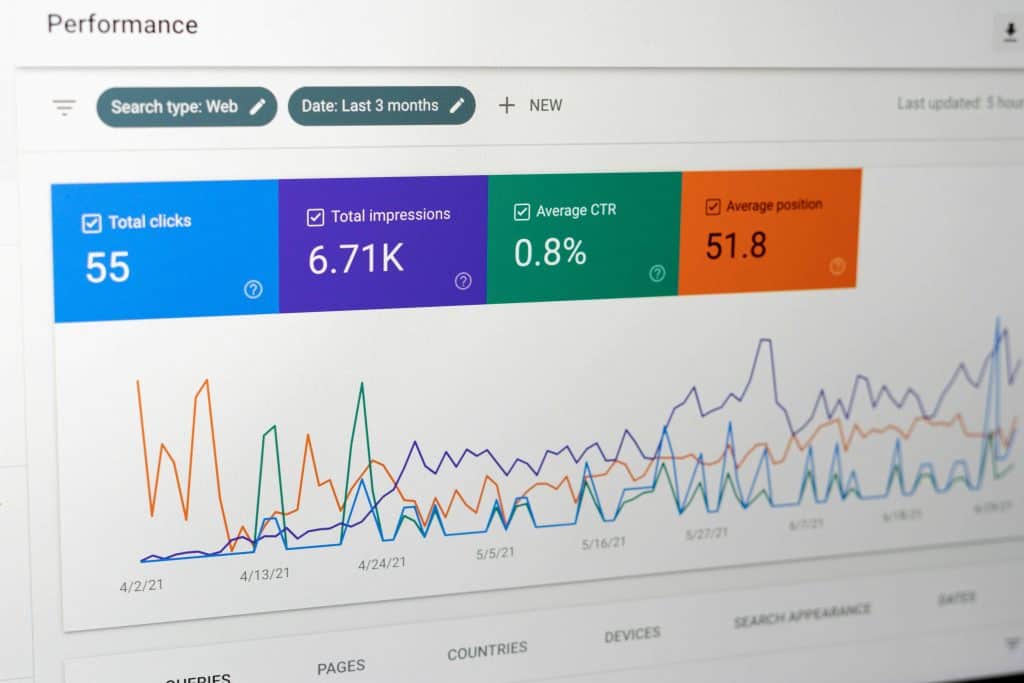
- Google Search Console
- Ahrefs
- Screaming Frog
- SEMrush
- Sitebulb
These tools help identify:
- Which pages receive the most internal links
- Which pages lack sufficient authority
- Crawl errors and broken links
- Internal linking opportunities
- Weak navigation structures
Analyzing this data helps improve the effectiveness of your internal linking while strengthening overall SEO performance.
Evaluating the Effectiveness of Internal Links
Simply adding internal links is not enough. To maximize SEO value, you must continuously evaluate how effectively those links support user navigation and search engine optimization.
The effectiveness of your internal linking strategy depends on how well your links:
- Guide users through your website
- Improve page discoverability
- Distribute authority
- Strengthen topical relevance
- Support SEO goals
A successful internal linking strategy creates meaningful relationships between related pages while improving overall website usability.
Measuring User Engagement
One of the best ways to evaluate internal links is by monitoring user behavior metrics.
Track:
- Page views
- Bounce rates
- Session duration
- Pages visited per session
- Click-through behavior
If users consistently click through to additional pages, your internal links are successfully guiding them deeper into your website content.
Internal links a page contains should always serve a useful purpose for both users and search engines.
Evaluating SEO Impact
Internal links are important for SEO because they help distribute authority across your website.
Search engines evaluate:
- The number of internal links pointing to a page
- Link placement
- Contextual relevance
- Website hierarchy
Pages with stronger internal linking signals often receive better visibility in search results because search engines interpret them as more authoritative and important.
Monitoring ranking performance for pages receiving increased internal links can help determine the success of your linking efforts.
Understanding Different Types of Links
A successful SEO strategy involves understanding the different types of links used across a website.
Each type serves a specific purpose within your overall SEO and navigation structure.
Contextual Internal Links
Contextual internal links appear naturally within page content and are among the most valuable types of links for SEO.
These links:
- Connect related content
- Improve topic relevance
- Encourage deeper user engagement
- Help search engines understand content relationships
For example:
- A local SEO article may link to keyword research tutorials
- A travel guide may connect to accommodation recommendations
- A marketing post may reference content strategy resources
These relevant connections improve both SEO and usability.
Navigational Links
Navigational links help users move through major sections of your website and are commonly found in:
- Menus
- Headers
- Sidebars
- Footers
These links strengthen website structure and improve accessibility.
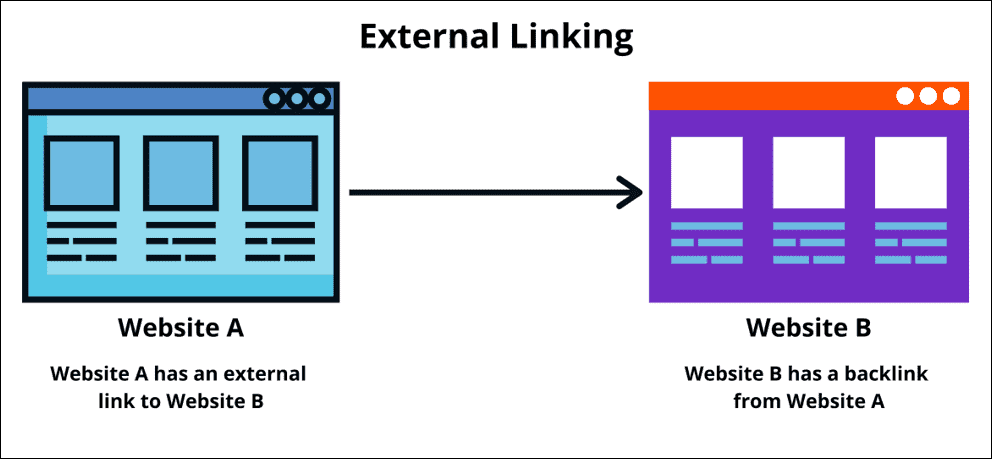
External Links
Unlike internal links, external links point users to another website or external source.
High-quality external links:
- Improve credibility
- Support factual accuracy
- Enhance user trust
- Strengthen topical authority
Combining strategic internal and external linking creates a more complete and authoritative SEO structure.
Integrating Internal and External Linking Efforts
Strong SEO performance often depends on balancing both internal and external linking efforts effectively.
Internal links help organize your website and distribute authority, while external links support trust and content quality.
Together, they:
- Improve topical authority
- Strengthen content relevance
- Enhance user experience
- Improve search engine trust
For example, a blog article supported by:
- Relevant contextual internal links
- Authoritative external references
- Strong page structure
is more likely to perform well in search results.
Improving Your Website’s Internal Linking Structure
Your website’s internal linking structure should evolve continuously as new pages and content are added.
A successful strategy involves:
- Regular optimization
- Continuous auditing
- Strategic link placement
- Content organization
Internal Linking Best Practices
To strengthen your internal linking strategy:
- Add relevant contextual links naturally
- Prioritize important pages
- Fix broken links quickly
- Avoid excessive linking on one page
- Ensure no important pages become orphaned
- Use descriptive anchor text
Internal links should always improve navigation and provide value rather than being added solely for SEO purposes.
Building Topic Clusters and Pillar Content
Topic clusters are highly effective for organizing internal links strategically.
This structure typically includes:
- A central pillar page
- Supporting subtopic articles
- Contextual links connecting all related content
These internal linking strategies help search engines better understand your expertise and improve topical authority.
The stronger and more organized your website’s internal linking structure becomes, the easier it is for search engines to crawl and rank your content effectively.
Why Ongoing Internal Link Optimization Matters
Internal linking is not a one-time SEO task. As your website grows, your internal linking efforts should continue evolving to support:
- Better crawlability
- Improved rankings
- Enhanced user experience
- Stronger authority distribution
- Greater content discoverability
Internal links are important for SEO because they form the foundation of how search engines interpret your website structure and content hierarchy.
By regularly reviewing, testing, and optimizing your internal linking strategy, you create a stronger website that:
- Helps users navigate more effectively
- Improves page visibility
- Strengthens SEO performance
- Supports long-term search growth
A well-maintained and robust internal linking structure ultimately improves both user satisfaction and search engine visibility, helping your website perform more effectively over time.
